If you want your succulents to grow into a full, overflowing pot, put these nutrients into the soil.
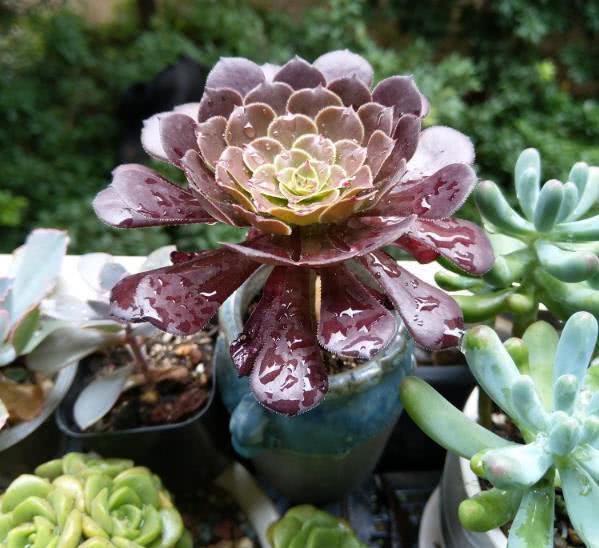
Succulents need relatively few nutrients. If you can replenish nutrients in time during the growing season, your succulents will grow very well. There are many nutrients you can put into the soil, and the most common ones are various kinds of bones. Fish bones and meat bones can both be crushed and placed in the soil, but they must be processed first. Using them directly tends to attract small bugs. You need to wash the grease off them, let them dry, crush them with a small hammer, and then mix them into the soil.
Calcium is very important for succulents, especially for succulents native to limestone soils. You can use gypsum, and it is best to use raw mineral gypsum. If you do not have that, use superphosphate. Note that at this point you must not mix in alkaline materials such as plant ash. Peeled eggshells are also very good, provided the soil is on the acidic side. When supplementing succulents with liquid fertilizer, pay attention: do not fertilize succulents at noon. It is best to do it at night when there is no sunlight. Otherwise, fertilizing when the temperature is high will cause the temperature in the soil to rise and can easily burn the roots. Generally, fertilizing once every half month or so is enough for succulents to absorb.
Do succulents absolutely need nutrient soil? Generally, granular soil is enough. Succulents have a relatively high water content in their bodies and need granular soil with good drainage and aeration. Succulents also have relatively low nutrient requirements, and the water retention of nutrient soil exceeds what succulents need. For succulents, some potting soils have certain limitations, so experienced enthusiasts mostly mix their own. What counts as a high-quality potting soil? Simply put, it should be a sandy loam that is loose and aerated, drains well, has a certain granular structure, and can provide the nutrients the plant needs during the growing season. When mixing, pay attention to a reasonable combination of organic and inorganic growing media, and avoid overly fine, tiny dust particles.
Can coffee grounds be used as fertilizer for succulents? Not recommended. Coffee grounds easily breed fungus gnats. Coffee grounds that have not been fully fermented will mold and attract fungus gnats to come and lay eggs, letting their larvae, root maggots, chew on the succulent roots. If you really must use coffee grounds, you need to use composting methods to fully ferment the coffee grounds first. Fully fermented coffee grounds can be used like coco coir or peat soil, but before planting succulents you still need to add granular growing media to increase aeration. If used alone, coffee grounds still have too poor aeration.
Some granules are relatively large, and we can put them at the bottom of the flower pot to enhance the drainage of the soil. Smaller ones can be mixed into the soil. After the succulents have settled into the pot, the roots will absorb the nutrients from them and grow rapidly. Besides bones, we can also toss a few slow-release fertilizer granules on top of the soil, which can also supplement nutrients for succulents.
Winter-growing succulents that grow during winter have their growing season in autumn and winter. For example, some plants in the Aloe family and most plants whose native habitat is the Southern Hemisphere are winter-growing succulents. The time to start giving winter-growing succulents a large amount of water should be early autumn when they begin to grow, not in spring. Instead, they begin to grow slowly or even go dormant in spring and the hot summer. However, these plants need a relatively warm winter, not a cold winter. If a certain winter-growing succulent begins to show signs of growth in early autumn, that means it is time to start slowly increasing the amount of watering.
This is a gathering place for succulent lovers, sharing succulent care tips. You are welcome to follow and exchange ideas.