The easiest potted vegetable to grow, never spend money buying it again when you grow it at home
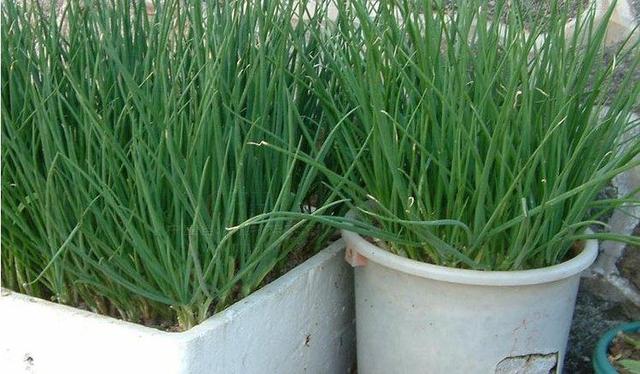
The easiest vegetable to grow in pots in history, super simple, you will never spend money buying it again! This vegetable is scallion; nothing is more ordinary, more practical, and easier to grow than scallion. Today I will tell you the method and key points for success in growing small scallions in pots at home, and teach you how to grow small scallions, so that after planting them you will never spend money buying them again!
Growing small scallions in pots from scallion roots is simple and easy. The soil used for planting also needs to be watered one night in advance. When buying scallions, choose relatively fresh small scallions with fairly complete roots, preferably with some fresh mud still on the roots; do not wash them, and cut them about 6 cm from the roots (leave them a bit longer for easier planting and easier survival). Keep the upper part for cooking, and keep the lower part with roots for planting.
Prepare the flowerpot and soil. For the soil, use fertile leaf mold with some decomposed cake fertilizer added. If there is no extra flowerpot at home, it does not matter; see whether there is any empty space in the pot where roses or other flowers and plants are growing, and you can make full use of it all to save space. Perhaps the smell given off by the small scallions can also have some function of defending against pests.
Evenly dig some small holes in the pot soil, take 3 to 5 scallion roots and put them together, bury them in the small holes. The part buried in the soil should be one third to one half of the length. Finally, cover with a layer of moist fine soil, but note here that the covering soil layer must not exceed the upper part of the scallion roots; the scallion roots must be allowed to show their heads. After covering with fine soil, gently press flat.
Water thoroughly and place in a sunny place (placing it in a cool shaded place for a short time is also fine, but after a few days it still needs to be exposed to the sun). The survival rate is almost over 90 percent. As long as the temperature is not below zero in winter. After that, just pay attention to watering to keep the soil moist. After about a week, the scallion roots will sprout new shoots and slowly grow larger.
When you want to eat them normally, do not pull them up by the roots; just pinch them off to eat. This ensures you can continue eating them next time, convenient, trouble-saving and labor-saving. When the scallions grow thinner and denser, the scallion roots have already climbed all over the pot wall, and the growth efficiency becomes relatively worse. At this time, you can harvest them all and then divide the scallions. This repeats the steps from "before planting."