How to identify and prevent yellow leaves on roses? More blooms in summer
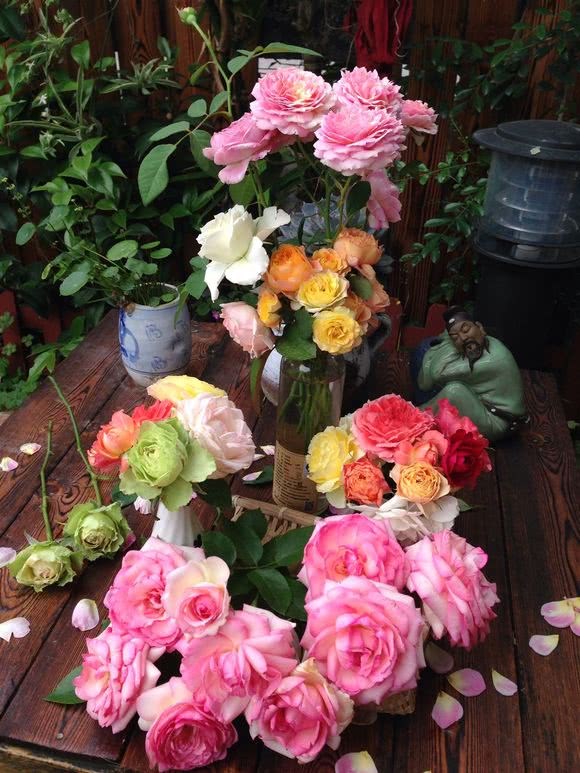
Roses are deeply loved by gardening enthusiasts, and many friends around me grow them. In spring, whenever we meet, everyone asks: how are your roses blooming? Now that summer has arrived, no need to ask upon meeting: is your rose doing okay? Yellow leaves? Roses are famously known as the "medicine jar," especially in summer when the weather is unpredictable and bacteria are abundant - it is the season when roses get the most yellow leaves.
There are many causes of yellow leaves on roses. If gardening enthusiasts treat them without understanding the cause, it is very easy to cause secondary damage to the rose and accelerate its death. Today, the assistant will analyze the various types of yellowing in roses for everyone, and how to prevent and treat them according to the symptoms.
1. Heat yellowing. The main characteristic of heat yellowing is that the old leaves show no obvious change, while the new leaves become dark yellow and lack luster, the stems are thin and yellow-green, and the new shoots shrink and stop growing. If heat yellowing is severe, the rose roots rot and the entire plant's leaves turn yellow.
The main causes of heat yellowing are: if the flower pot is relatively small and thin, it is most vulnerable in summer; direct exposure of potted roses to the sun at noon in summer can also cause it; and the unpredictable summer weather - sun one moment, rain the next - can easily cause massive root death.
How to prevent and treat: if it is heat yellowing, immediately move the potted rose to a shaded area, cut off the yellow leaves at a position above 5 leaves, then use rooting powder to drench the roots and spray the leaves for treatment.
2. Starvation yellowing. Starvation yellowing is caused by insufficient fertilization or too long an interval between fertilizing. Its main characteristic is that the new leaves turn yellow first, while the old leaves appear normal. If fertilizer cannot be applied in time, it will also cause the whole plant's leaves to turn yellow or even death.
Roses love fertilizer, especially during the growing period or before flowering. Sufficient nutrients must be provided for them to bloom big flowers. For rose fertilizer, you can choose a rose-specific nutrient solution, rich in nitrogen, phosphorus and potassium, which can effectively prevent yellow leaves.
3. Drought yellowing. The main characteristic of drought yellowing is that the leaf edges turn yellow and dry out, with the old leaves being damaged first, while the new leaves can still grow normally. If water is lacking for a long time, the entire plant will turn yellow and then die.
Generally, this symptom only appears after a severe water shortage of one week. Once discovered, water immediately, then move to a semi-shaded, ventilated place. At this time, do not fertilize the rose, as it will accelerate the speed of the rose's death.
4. Fertilizer yellowing. The main features of fertilizer yellowing are that the new leaves are relatively thick and glossy, with an uneven leaf surface, and the tips of the rose turn dry brown. The old leaves turn scorched yellow all over, and in severe cases all fall off. Fertilizer yellowing is mainly caused by fertilizing too frequently or using too high a concentration.
At this point, stop fertilizing, then use plenty of water to wash out the fertilizer or simply change the soil, then place it in a cool, ventilated place for a period of time until the leaves recover.
5. Iron deficiency yellowing. This kind of yellowing often appears on newly purchased roses, the so-called greenhouse seedlings. Because the soil fertility and environment change too much, gardening enthusiasts will soon see yellow leaves after bringing them home. The main characteristic is that the leaf veins are green while the leaf blade appears yellow, more obvious on new leaves.
After buying this kind of greenhouse seedling, generally place it in a semi-shaded, ventilated place, then spray a ferrous sulfate aqueous solution weekly for about 3 consecutive weeks. Once the rose adapts to the environment and recovers, it can be cared for normally.
6. Water yellowing. This is also the yellowing that the assistant encounters most in consultations from gardening enthusiasts, because about 80% of flowers die due to watering problems, yet gardening enthusiasts are completely unaware of it. Everyone can use a plant monitor to check the water and fertilizer conditions of the potting soil, insert it into the soil, and view the data through the app at a glance - very simple and convenient.
The main characteristics of water yellowing are that the surface of the old leaves turns yellow and dry, the new leaves are dull and lusterless, and the new buds shrink and stop growing. If it is confirmed that the rose is suffering from water yellowing, immediately control watering, do not fertilize either, take it out of the pot, then place it in a cool, ventilated place to let the potting soil dry out about 70-80%, and finally repot it.
Actually, the most important thing about growing roses in summer is root care. Normally you can use a rose-specific nutrient solution rich in humic acid, which can promote root growth. According to the growth habits of roses, fertilize once every 10-15 days, either by drenching the roots or spraying the leaves, but remember not to spray fertilizer onto the flower buds during the flowering period, as they will die.