This flower is incredibly resilient, surviving even with no care at all, and it can also purify the air.
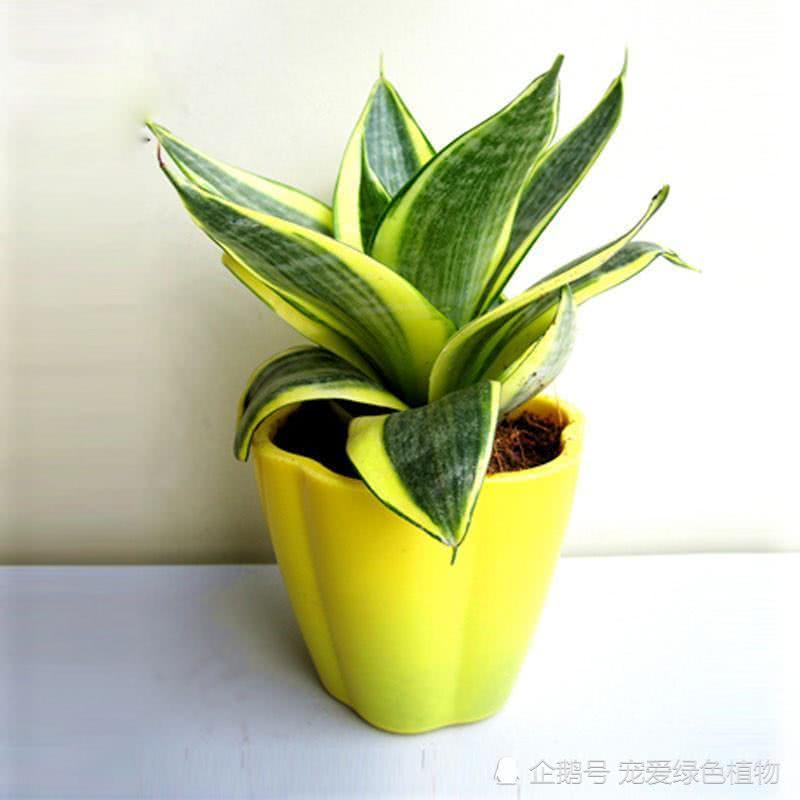
Sansevieria, also known as snake plant, is a perennial herbaceous foliage plant. It has many varieties, with considerable variation in plant form and leaf color, and strong adaptability to its environment. The main varieties include Sansevieria trifasciata 'Laurentii' (golden-edged snake plant) and Sansevieria trifasciata 'Silver Hahnii' (silver-veined snake plant). It is suitable for decorating a study, living room or office space, and can be enjoyed for a long time. Most importantly, this plant is exceptionally good at purifying the air, and it also protects against radiation.
Sansevieria is highly adaptable. It prefers a warm, humid environment, tolerates drought, and likes light while also tolerating shade. Sansevieria is not demanding about soil, and sandy loam with good drainage is best. Its optimum growing temperature is between 20-30 degrees, so when planting Sansevieria, it is best to use two-thirds leaf mold mixed with one-third garden soil, stirred evenly. Never use entirely impermeable clay or sandy soil, because after watering this kind of soil does not allow air through, moisture does not evaporate easily, and the rhizomes rot easily.
Sansevieria does not have high light requirements. It grows well in full sun or partial sun. In summer, avoid direct strong light, which can scorch the leaves; in other seasons, it should receive plenty of sunlight. If it is placed in too dark a spot indoors for too long, the leaves will darken and lose their vitality. If it has been kept indoors for a long time, it should not suddenly be moved directly into the sun; first move it to a brighter spot and let it go through an adaptation period before exposing it to sunlight, so the leaves do not get scorched.
If indoor conditions do not allow it, it can also be placed somewhere fairly close to sunlight. If it is kept in an office, because of its strong radiation protection, it is generally placed next to a computer.
Snake plant does not have high fertilizer requirements. During the growing season, apply 1-2 times a month a dilute liquid fertilizer; during the active growth period, apply a standard liquid fertilizer once a month to keep the leaves green and thick. Do not over-fertilize; generally use a compound fertilizer, and fertilize less during hot summer weather.
When fertilizing Sansevieria, do not overdo it. During the vigorous growth period, apply fertilizer 1-2 times a month. If too little fertilizer is applied, and only nitrogen fertilizer is used over the long term, the patterns on the leaves will fade. So generally use a compound fertilizer, and we can choose to regularly apply some decomposed soybean fertilizer. Be sure to note that when fertilizing, it must never touch the roots, to avoid burning them.
Because Sansevieria tolerates drought and dislikes waterlogging, watering should be moderate and follow the principle of preferring dry over wet. During vigorous growth it can be watered more, but standing water must be poured off promptly to avoid root rot. Normally, wipe dust from the leaf surface with clean water to keep the leaves clean and glossy. In hot summer weather, water less; we can frequently spray water around the leaves to cool them and raise the humidity, encouraging better growth of the Sansevieria.