Roses bloom continuously, one flower after another. Master these simple flowering-boost tips.
Gardening Site
Click follow to get more gardening tips!
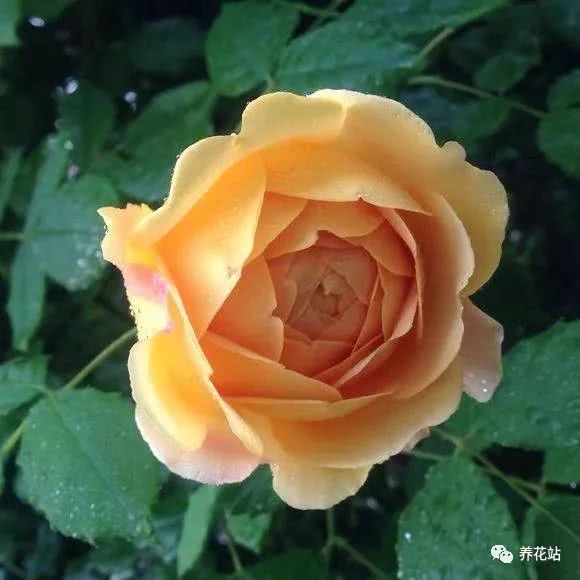
For everyone who grows roses, the scene they most want to see is roses blooming continuously. Although roses are not that easy to grow, if you want a huge amount of flowers, with one bloom after another, mastering the flowering-boost tips below can get you twice the result with half the effort. Below, take the Aunt Mary shown in the picture as an example. Aunt Mary is a miniature rose, with an orange flower center, pink outer edges, a fruity fragrance, a flower diameter of 10 cm, and a plant height of 60-80 cm.
Plant growth mainly depends on sunlight, temperature, water, air and nutrients. Soil mainly provides plants with water, nutrients and oxygen. Plant roots need oxygen for respiration and also produce a large amount of waste. So rose soil mixing can use these two types: one type is water-retaining and fertilizer-retaining; the other type is loose and breathable. Suitable soil is also the key to boosting flowering.
Roses need sufficient light, and both air circulation and drainage must be unobstructed. A sheltered environment should also be chosen, and roses can be given shade. During the rose growing season, they should receive sufficient sunlight, preferably maintaining 8 hours of light per day. If kept indoors for ornamental viewing, they should be moved in before 11 a.m. and moved out before 4 p.m., so they receive the soft light around midday, which helps prolong the flowering time.
The ratio of fertilization during the season should be 3 parts fertilizer to 7 parts water, with fertilization about once every 10 days. Fermented meat water juice can be used. Fertilization can stop in November. Phosphorus-containing fertilizer can be used, and it also easily promotes flowering.
FollowGardening SiteEditorTeaches you to grow flowers well
Reply: gardening questions (such as yellow leaves on pothos): check cultivation