Experience of Growing Vibrant Flowers from Calendula: Learn About These Five Stages
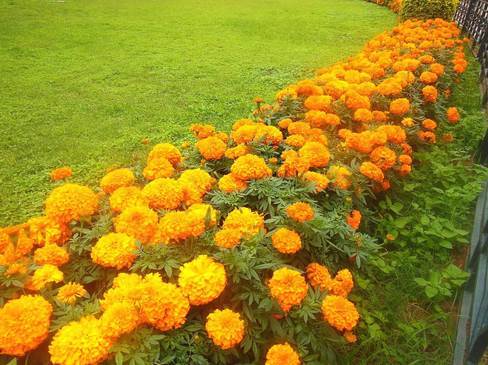
Calendula originated in South America and New Mexico. This vibrant annual flower can grow up to 1.2 m tall in suitable growing conditions, and has showy orange, yellow, red and cream-colored flowers. Calendula needs moist but not overly wet soil to thrive, and if kept in a shady spot it often will not keep blooming. Calendula goes through different stages before flowering. Understanding these stages and the basic principles of growing calendula will ensure you have plenty of vibrant flowers in your garden.
Varieties
Calendula plants are classified by their large, semi-dwarf, dwarf and other characteristics. There are four main types of calendula. African marigold can reach up to 35.6 cm tall, with flowers up to 8.9 cm in diameter. French marigold comes in many varieties. They range from 30.5 cm to 40.6 cm tall, with flowers up to 5 cm in diameter. Triploids are hybrids of African and French types. Triploid flowers are about 5 cm in diameter, and their color varies depending on the climate in which they are grown. Single marigolds look almost like daisies, with long stems.
Planting
Plant calendula in well-drained pots indoors in a studio or apartment. Cover the seeds with 0.6 cm of vermiculite or perlite. Do not water the soil directly; use a spray bottle to keep the soil moist. Keep the soil temperature between 15.6°C and 21.1°C.
Germination: Stages 1 and 2
If suitable climate, soil conditions and light are provided, calendula seeds will begin to germinate within three to five days, which is part of stage one. Promote seed germination by covering the seeds in seed trays or flats. Test the soil pH to make sure it is between 6.0 and 6.2. Stage two is when the radicle emerges from the soil after germination.
Cotyledons: Stages 3 and 4.
According to data provided by Auburn University, when the cotyledons or the first green stems appear in stage three, start fertilizing calendula with 50-75 parts per million of calcium or potassium nitrate fertilizer. At this stage, at this stage, calendula can begin receiving full sun. The temperature should be kept between 15.6°C and 18.3°C to promote flowering and keep the stems growing. In stage four, the calendula cotyledons will unfold, preparing for flowering.
Flowering: Stage 5
According to research from West Virginia University, calendula flowers within 45 to 50 days after planting. At this point, you can transplant the calendula into the garden or a pot, keep the soil moist, and remove the flower heads to promote continuous blooming. Daytime temperatures should be kept between 16.7°C and 22.2°C, and nighttime temperatures should be kept at 18.3°C.