How to grow a peace lily? Keep these points in mind when growing one at home and it will grow more and more lush
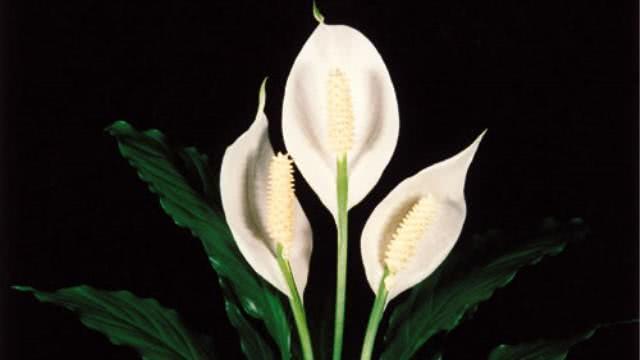
Soil: To grow a peace lily, it is best to use loose soil, and soil with good drainage and aeration is ideal. Watering: During the vigorous growth period, there should be plenty of water, but do not water too much; just keep the soil moist. Light: In spring and autumn, give it plenty of light; when the sun is strong, shade it appropriately and do not let the sun scorch it.
1. Soil
To grow a peace lily, it is best to use loose soil. In addition, the soil's drainage and aeration are also very important. Never use soil that is too heavy and sticky.
2. Watering
During the vigorous growth period, there should be plenty of water to keep the soil moist, but do not water too much, as waterlogging can easily occur and cause root rot. In summer, when the weather is hot, you can spray water around the plant to lower the temperature and raise air humidity. In winter, when the weather is cold, keep the soil as dry as possible and reduce watering.
3. Light
In spring and winter, it should receive plenty of light. In midsummer or in autumn when the sun is strong, shade it appropriately and do not let the sun scorch it. If it is scorched, the leaves will turn yellow, and in severe cases sunscald disease can occur.
4. Temperature
The peace lily likes a high-temperature growing environment. In winter, it is best to keep it indoors and maintain the temperature at around 25°C. At night, a temperature of 14-16°C is ideal. If the winter temperature is too low, the leaves will drop or turn scorched yellow.
5. Points to note
Repotting: To grow a peace lily, it needs to be repotted every 1-2 years, which helps it grow better. When repotting, prune off the old roots and rotten roots, clean off the old soil, and replace it with clean soil.