Water camellias, gardenias and clivias with this kind of water, and they will bloom abundantly while saving you fertilizer
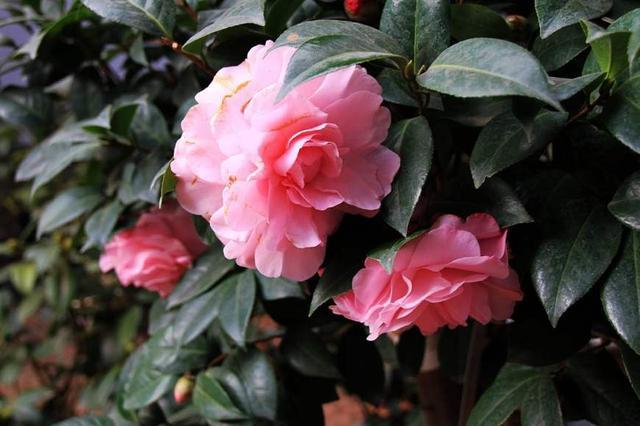
I believe there are many gardening friends who keep camellias, gardenias and clivias at home. These three flowering plants are all very beautiful, and they bloom for a long time, looking great indoors or in the yard. Camellias are elegant, gardenias are fresh, and clivias are dignified. Don't you agree?
Camellias, gardenias and clivias are actually not easy to grow well. Expert gardeners reveal that these three flowers share a common trait: they all like slightly acidic soil. This trait gives us a little trick for growing them well: water them with rice water.
The growth habits of camellias:
The suitable growing temperature for camellias is between 20-32 °C. They are fairly heat-tolerant, but remember to provide shade, otherwise the leaves will be scorched by high temperatures. Camellias suit well-drained, loose and fertile sandy loam, loess or humus soil, with a pH of 5.5-6.5 being optimal. So slightly acidic soil favors their growth. This is also why camellias are easy to grow in the south but difficult in the north. (Soil in the north is mostly alkaline)
The characteristics of rice water:
Rice water is acidic, especially after fermentation. It contains abundant nutrients, and with its low pH, pouring it into the potting soil of flowers can change the soil's acidity and alkalinity, turning the alkaline soil of the north into slightly acidic soil. For flowering plants like camellias, it is most suitable. When watering with rice water, gardening friends are advised to water once or twice a week. In less than half a year, the camellia will bloom all over the pot.
Having understood the characteristics of rice water, we can clearly see that any flowering plant that likes a slightly acidic soil environment is suitable for rice water. For example, gardenias and clivias.
The growth habits of gardenias:
Gardenias like light and can also tolerate shade. Under shaded conditions, their leaves are a deep green. They like a warm and humid climate, which is also why gardenias are grown more in the south. In addition, gardenias, like camellias, like fertile, well-drained, acidic light clay loam, so when growing gardenias, special attention must be paid to the soil's acidity and alkalinity. Many gardening friends have left me messages asking why their gardenias do not bloom, or why the buds are small, or why the flowers turn yellow and are not at all as white as snow.
Take rice water and water once or twice a week, or use rice water to spray the leaves every morning and evening, and it will also have a very good effect. So from now on, everyone should not ask me again why their gardenias turn yellow or do not bloom. First check whether your potting soil is slightly acidic.
The growth habits of clivias:
The optimal growing temperature for clivias is between 18-28 °C. They like a semi-shaded and humid environment and fear strong direct sunlight. In addition, like the camellias and gardenias mentioned above, they like deep, fertile and loose soil, and are suitable for growing in loose, fertile, slightly acidic organic soil. When clivias do not bloom, have difficulty pushing out flower spikes, suffer root rot, or develop yellow leaves, these situations are not necessarily caused by the external environment, watering or fertilizing. It is very likely a soil problem.
Adding rice water each time you water can make the soil slightly acidic. This is the key to clivias growing quickly and blooming.
I hope gardening friends have learned a little more about growing flowers after reading this. You are welcome to save or share it.