Plant these 3 kinds of trees at the door: they guard the home, bring wealth, and nourish the family. It is not too late to learn this now
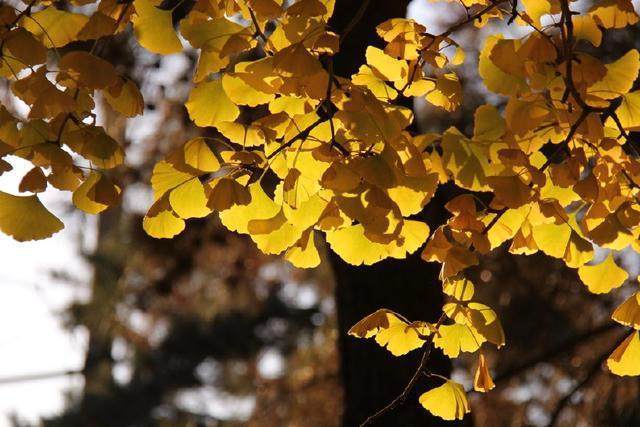
Ginkgo
Ginkgo, which family members all like to call white fruit, has a slow growth cycle but an extremely long lifespan, so many people like to call it the "grandfather-grandson tree." But this "grandfather-grandson" does not refer to a surname; rather, it carries the meaning of "the grandfather plants and the grandson eats," making it truly a longevity tree.
At the same time, many ginkgo trees are old trees over a hundred or even a thousand years old, and the fruit they bear can inhibit bacteria and sterilize, relieve illness and cough, and lower serum cholesterol, among other effects, giving them multiple values such as ornamental and medicinal value.
Crabapple tree
Planting a crabapple tree in front of the door can make the environment in front of the door better and the air fresher. In ancient times, this could be seen everywhere, with this kind of crabapple tree planted in courtyard house layouts. From the perspective of metaphysics, this tree can suppress and protect the home, making the household full of yang energy and wealth, bringing boundless blessings to descendants, and allowing children to grow up healthily.
In rural understanding, planting a crabapple tree in front of the door foretells a thriving and prosperous household. Wealthy people generally plant a crabapple tree when building a self-built house in their hometown.
Pomegranate tree
When we were young, we all liked to eat pomegranates. Rural children probably got to eat pomegranates only a few times a year. Many wealthy people plant pomegranate trees in front of their courtyards in their hometowns, and the mischievous children in the village often steal them to eat. This is the most common situation, but did you know? They plant pomegranate trees not to eat the fruit, but for the good symbolism for the household. Planting a pomegranate tree in front of the door likewise carries the meaning of prosperity and thriving.
When people are poor, these kinds of trees are most taboo to plant:
The first taboo: willow tree.
Because "willow" is homophonous with "flow," people fear that their own money will flow out of the house. In addition, willow trees do not produce seeds, and "seed" is close in sound to "son." In the ancient conception, of the three unfilial acts, having no descendant is the greatest, so this is unlucky.
The second taboo: mulberry tree
Especially in the countryside in the past, mulberry trees were all planted outside. This included farming households that made a living by raising silkworms. Planting a mulberry tree was equal to planting "mourning" for oneself, and no one liked that.
The third taboo: poplar tree
The poplar tree is also disliked because when the wind blows, its leaves rustle too loudly, making people annoyed.