Even after black rot, a succulent that is cut back and replanted still has a fighting chance
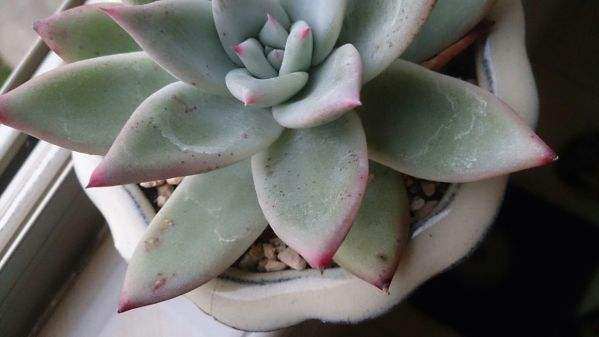
The word "black rot" really makes many succulent growers turn pale at the mention of it, and in summer the odds of succulents falling victim are simply off the charts. Especially for some newbies who have just got into the hobby, after one summer all that is left at home is a row of empty flower pots. The odds of falling victim can be called one hundred percent - how come they never have that kind of luck when buying lottery tickets? Otherwise they would not need to fear succulent black rot.
The symptoms of black rot are root decay (which is hard to see), while the visible symptoms are the stem turning black, leaves turning yellow, rotting and oozing water, or dropping off. If black rot is discovered in time, that is, when the stem near the soil begins to turn black, and remedial measures are taken immediately, then this succulent actually still has a very high chance of surviving, and this is what we commonly call "beheading".
When caring for succulents, to improve their resistance, fertilizer is very important. It is best to choose ecologically safe organic fertilizer, rich and balanced in nitrogen, phosphorus and potassium, with various organic matter, minerals and amino acids added, to promote the plant's vigorous growth.
At this point the tools to prepare are clean, already sterilised sharp scissors (or special flower knives, which are even better) and a carbendazim disinfectant solution. Take the succulent that has already developed black rot out of the flower pot, and remove the rotted leaves with your hands; a gentle touch with your hands is enough, as the diseased leaves will fall off by themselves.
Then use the scissors to cut off the part above where the stem has turned black (preferably two cm above it) in one cut. The scissors must be sharp and the cut must be decisive, making sure to cut it cleanly into two sections in one go.
Spray the cut surface of the plant after cutting with carbendazim to reduce inflammation and sterilise, and the places where leaves have dropped can also be sprayed a little as appropriate. Then place the healthy plant in a spot without direct sunlight to air-dry, waiting for the cut to dry and heal. The drying time varies according to temperature and succulent variety. At this time you should observe the cut once a day; if you find the cut has dried and shrunk and grown a layer of old skin, then it can be planted.
At the same time, the old pot and old soil should not be used again; the old soil should be thrown away together with the black-rotted plant. The old pot, however, should be washed clean, sprayed with disinfectants such as carbendazim, and placed in the sun to sterilise. After a few days, soil can be put in and it can be used again. When mixing soil again, you can refer to the ratio of the old soil and prepare soil with more coarse particles (perlite) than the old soil, or it is very good to put a layer of carbon balls at the bottom.
After moving the beheaded succulent into a pot, it should be kept in an environment without direct sunlight and with good ventilation. Do not water too much; the soil moisture should preferably be at seventy percent humidity. Water in a circle along the inner edge of the flower pot, just keeping it moist. When watering, be careful not to pour water on the leaves, and especially avoid the wounds on the roots and stems where leaves have just dropped.
Caring for succulents still comes down to being careful. With one moment of inattention, a succulent can develop problems at any time. If you can save it, that is fine, but if you cannot save it, then you can only sing a sad song.