Keep this plant in the bedroom: it releases oxygen for 12 hours, say goodbye to insomnia and sleep soundly
Kalanchoe
The first one Huahua has to mention is definitely the kalanchoe, which is both pretty and easy to grow! Kalanchoe contains crassulacean acid metabolism compounds. It generally opens its stomata at night, absorbs carbon dioxide and stores it in its body, thereby increasing indoor negative oxygen ions and making the air fresher!
Care tips:
1. Summer temperatures are high, and the kalanchoe in some flower lovers' homes will enter a dormant state. At this time, be sure to provide shade, avoid direct strong light, and give it a small fan to lower the temperature.
2. In summer, kalanchoe may have a large outbreak of scale insects, so prevention must be done in advance. You can spray drugs such as carbendazim and scale insect killer, and applying some organic liquid fertilizer during the growing season can make the kalanchoe grow strong, thereby improving its resistance to scale insects in summer.
3. Kalanchoe is mainly propagated by cuttings. Patient flower lovers can also choose leaf cuttings. Temperatures are high now, and it takes only about half a month for kalanchoe cuttings to take root!
Aloe
When talking about a must-grow potted plant for summer, it is definitely aloe! Aloe's stomata close during the day and open at night, thereby absorbing the carbon dioxide exhaled at night, and it is also very simple to care for. It is perfect for the bedroom!
Care tips:
1. Before planting aloe, you can place broken tiles or stones at the bottom of the pot. It is best to mix some river sand or coal cinder into the potting soil. Only in this way can water permeability and air permeability be increased, avoiding water accumulation and root rot in aloe.
2. Summer temperatures are high, so it is best to shade aloe. Only then can its leaves be more emerald green. If it is in direct sun for a long time, the leaves are easily scorched, so it can be placed on a bedroom windowsill.
3. Aloe is mainly propagated by division. When you see small shoots growing from the aloe, break them off, or directly take it out of the pot and divide it, and you can get several pots of aloe at once!
Dragon fruit cactus
As a kind of cactus with thick, tough skin, the dragon fruit cactus also has a nice title: "universal rootstock." Basically, many flowers are grafted onto the dragon fruit cactus! The dragon fruit cactus absorbs carbon dioxide at night, thereby increasing the oxygen content in the bedroom and helping people sleep more soundly!
Care tips:
1. The dragon fruit cactus can get more sun in spring, but in summer it must be shaded under strong light, otherwise the stems will be scorched and wilt. Usually it can be placed 1 m away from the bedroom balcony to receive sufficient scattered light.
2. The dragon fruit cactus is drought-tolerant. Water it only after the potting soil is dry, otherwise too much water will easily cause root rot. You can mix some sand into its potting soil to increase water permeability.
3. The dragon fruit cactus is called a universal rootstock and can be used to graft some other flowers, such as Christmas cactus, etc.
Snake plant
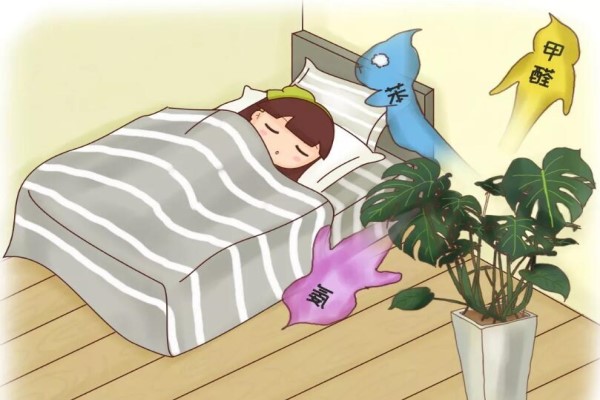
Snake plant leaves are thick and glossy. Its stomata close during the day and open at night to absorb carbon dioxide. At the same time, it can also absorb harmful substances such as formaldehyde and benzene, thereby making indoor air fresher!
Care tips:
1. Snake plant both likes sun and tolerates shade, but summer temperatures are high, so you can let the snake plant get sun in the morning and evening. At noon when the sun is harsh, be sure to provide shade.
2. If you want the snake plant to quickly fill the pot, you can dig 3-5 holes along the edge of the pot and bury cooked soybeans in them, or add some compound fertilizer granules, thereby supplementing nutrients for the snake plant.
3. Snake plant is usually mainly propagated by cuttings. Cut a section of stem from the mother snake plant, cut it into small sections of 7-10 cm, prepare loose and breathable soil for cuttings, and wait until it takes root.
Guzmania
As a representative plant of the Bromeliaceae family, guzmania also performs crassulacean acid metabolism and absorbs a large amount of carbon dioxide at night, so keeping a pot of guzmania in the bedroom is completely fine!
Care tips:
1. Summer temperatures are high and direct light is relatively strong. At this time, pay attention to shading guzmania to avoid scorching the leaves or even causing the whole plant to die.
2. Guzmania grows vigorously in summer, so it needs more water. You can use tap water that has been left to stand for 1-2 days, and water the plant after the chlorine is removed; in summer, you can spray water around the flowerpot to lower the temperature and increase air humidity.
3. Guzmania is mainly propagated by division. Division is generally carried out in spring. After taking guzmania out of the pot, break off the small shoots that have emerged, transplant them into new flowerpots, and once they survive, care for them normally.
Christmas cactus
Christmas cactus leaves are oily and glossy. When it blooms, the flowers cluster together in a bright red mass. It is a plant whose leaves and flowers are both ornamental. Christmas cactus also contains crassulacean acid metabolism, so it also belongs to the type that absorbs carbon dioxide at night.
Care tips:
1. Summer temperatures are high, and Christmas cactus will enter a dormant state. At this time, place the Christmas cactus in a cool, well-ventilated indoor spot so it can safely get through summer.
2. During dormancy, Christmas cactus will not grow. At this time, reduce watering. Water only after the surface of the potting soil turns white. Never let the Christmas cactus be exposed to rain.
3. Christmas cactus can be propagated by cuttings and grafting. If using cuttings, cut off 3-5 segments of leaves and insert them into moist soil. If grafting, the rootstock can be dragon fruit cactus, cactus, and the like.
Crassulaceae succulents
Why is this special method called crassulacean acid metabolism? Actually, it is because this way of surviving was derived from Crassulaceae succulents! So for those Crassulaceae succulents, they all absorb carbon dioxide at night!
Care tips:
1. In summer, Crassulaceae succulents must be given ventilation and cooling. Avoid temperatures that are too high and cause the succulents to rot and die.
2. Usually they can be propagated by leaf cuttings. Break off the leaves, let the wounds dry, then lay them flat on the soil, and they will soon take root and sprout small shoots!
That is all Huahua is introducing today.
What other flowers do you flower lovers know that absorb carbon dioxide at night?
Why not leave a message for Huahua and tell us!