You Can Still Buy and Pot Succulents in 35°C High Heat, Just Learn This 1 Trick
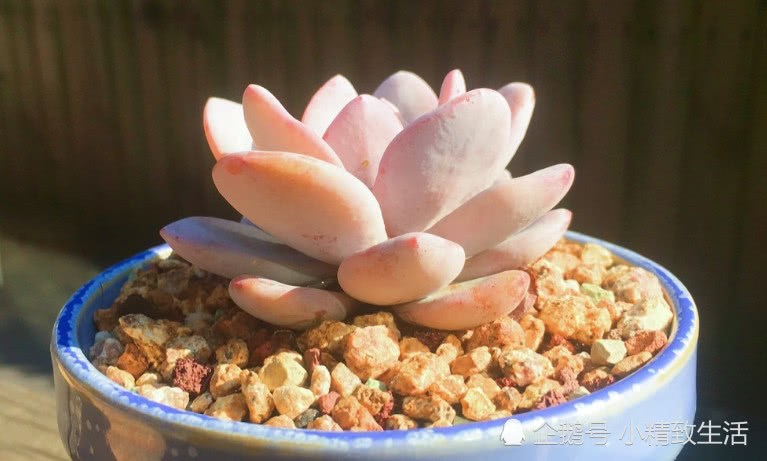
Summer is here, and the off-season for succulents has arrived too. Everyone listens to the warnings of the veterans: no more buying succulents in summer, just take good care of the ones you have and get them safely through the summer. But some people, taking advantage of the off-season price drops for succulents, go on a crazy buying spree, and still pot them up in 35°C high heat. Are they newbies, newborn calves that don't fear tigers, or are they masters with a well-thought-out plan, skilled and bold? Below, let's take a look at how the pros manage to pot up in summer heat without a single loss.
For newly purchased succulents, the first challenge is establishing themselves in the pot. The establishment period for planting succulents in high heat requires particular caution. To get safely through the establishment period, start with the soil mix. For the mix, it is recommended to use 1 part granular soil : 1 part fine-grade vermiculite, mixed evenly. Fine vermiculite sinks easily, so it must truly be mixed evenly, then spray with a potassium permanganate solution to disinfect, keeping the potting soil in a slightly moist state.
After potting up in moist soil, place it in a shaded, ventilated environment and let it sit. Start watering on the third day. When watering, give two circles of water along the edge of the pot, then water like this once every three days until the establishment period ends. Note that ventilation must be good, and in this way they will basically not die.
So let's analyze the reason: the soil mix played a big role. Vermiculite has strong water retention and good air permeability, and can maintain the humidity of the planting environment very well, inducing succulents to root quickly. But pure vermiculite obviously won't work; pure vermiculite retains water too strongly, and using pure vermiculite normally will also cause succulents to grow leggy, let alone in the high heat of summer. And pure granular soil cannot promote rooting, but granular soil has very strong air and water permeability, and will bring a large amount of the air needed for rooting to the root zone. So by combining granular soil with vermiculite, the entire root zone of the succulent can maintain a state that is neither waterlogged nor lacking in air, and the fine vermiculite particles will slowly sink to the bottom of the pot with each watering, more effectively protecting the new capillary roots. The key point is that vermiculite is also sterile.
With this kind of soil mix, even when grown outdoors, occasional rain is no big deal. But you still need to adapt to local conditions according to the climate of each place: where air humidity is high, use a higher proportion of granular soil; where it is dry, use a higher proportion of vermiculite. In the end, air, humidity, and temperature must be in harmony so that succulents can thrive.
The above was compiled and published by Xiao Jingzhi Life, but as a friendly reminder, the above mainly discusses the soil mix as the primary factor, but this is based on good ventilation, suitable lighting, and other supporting factors. If you don't have enough experience, you should still try to restrain your hands in summer!