Rose bushes with stalled growth are such a frustration - two tricks to guarantee buds popping out everywhere
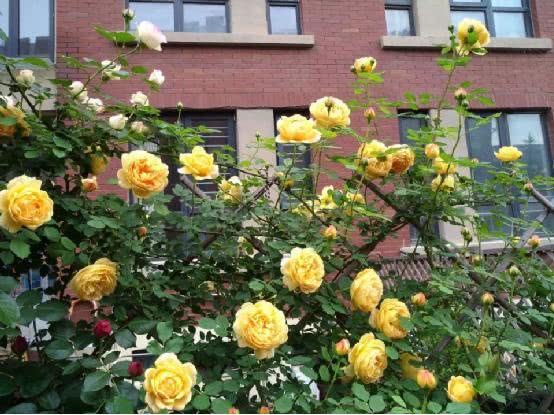
Rose bushes with upright branches and vivid blooms are the first choice for many people getting into gardening. In the past we have already shared plenty of tips for growing roses with you all, but recently gardening newbies keep getting in touch with the editor, saying their rose bushes suddenly stopped growing, and despite plenty of nutrients and water they are still growing slowly. Considering this may be the rose bush "stalled growth" problem, today we might as well talk it over carefully. Stalled growth is actually not that scary - once you master the method, you can handle it with ease too.
First, before getting to the methods, we need to understand what stalled growth is. So-called "stalled growth" refers to the phenomenon where the growth of a plant's vegetative organs - roots, stems and leaves - comes to a standstill. Its most notable sign is that a young plant grows slowly or even stops growing altogether. Especially in the current month of June, if stalled growth is not dealt with in time, it is very likely to affect the rose flowering season in August, and thereby affect our viewing.
There are two situations of stalled growth in roses. First, for many newcomers to gardening, the roses they grow are basically flower seedlings or mature plants bought at the flower market. We all know that flowers from the flower market need a period of adjustment after being brought home, and because of the major change in environment, stalled growth easily occurs. So how should you deal with it? The simplest method is to change the pot and change the soil.
The method is very simple too: mix the original rose growing medium with new garden soil, and it is best to add some plant ash as well - soil blended this way is the most suitable for rose growth. During the soil change, it is best to wait until the soil is dry and then tap gently, so the leftover soil around the roots can fall away completely. After changing the soil, it is also best to water thoroughly once in time, so the rose roots are guaranteed enough nutrient replenishment. Remember that the potting soil must not be entirely new soil, as this will instead cause the rose to struggle to adapt and bring on new symptoms.
And if you have already been growing roses at home, but stalled growth appeared after this year's flowering season, then it may be caused by flower pods that have formed. If flower pods remain at the top of the rose branches, they will consume a large amount of nutrients - yet the plant already consumed a large amount of nutrients during flowering. If it is not pruned in time after flowering, what situation will that cause? Actually, just like people, after going a long time without eating enough and feeling very tired and wanting to rest, the rose bush will also stop growing.
The way to handle it is to quickly prune off the spent flowers after the rose blooms. After pruning off the spent flowers, we can also apply a small amount of a compound fertilizer balanced in nitrogen, phosphorus and potassium. This lets the rose, which consumed a large amount of nutrients during flowering, replenish its nutrients in time, and then its side buds will immediately sprout and quickly push out flower buds, so the stalled growth situation will not occur.