What's the deal with black canes on roses? Let's break down a few situations for you
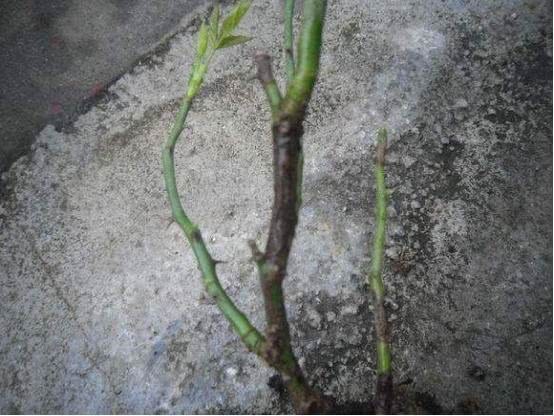
Many growers of roses often report this problem: they haven't spotted any pests or diseases on their roses, so why have the branches turned black? Many people are completely baffled by the black cane problem in roses and don't know what to do. In fact, black canes on roses can be divided into several situations, and each needs to be handled according to its different cause.
When caring for roses, fertilizer is very important. It is best to choose an ecologically safe organic fertilizer, rich and balanced in nitrogen, phosphorus and potassium, with various organic matter, minerals and amino acids added, to promote vigorous plant growth, produce more flower buds, bloom more and extend the flowering period.
The first situation: the rose has cane blight. Cane blight is also called rose stem canker. If infected, brown or purplish-brown spots appear, turning black in severe cases, and then the plant dries up and dies. Roses that grow poorly or receive excessive fertilizer and water are very prone to this disease, especially under high temperature and humid conditions, so summer is the peak season for black canes on roses.
The second situation: the rose blackens from top to bottom. This is fairly common after pruning branches and leaves. At this point, look carefully at the blackened area to see whether it is a cut made not long after pruning. In most such cases the cut was not sterilized in time, and when the cut then contacts water or the air humidity is high, infection develops easily.
To boost the resistance of roses and reduce pests and diseases, be sure to supplement them with a nutrient solution, rich in nitrogen, phosphorus and potassium, with various organic matter, minerals and amino acids added, to promote the growth and flowering of roses and improve their resistance.
The third situation: the rose blackens from bottom to top. This is usually more serious. At this point the root system has very likely developed a problem, rotting from the roots and then spreading upward to the root crown. If no corresponding measures are taken in time, the entire plant may die.
Once you know the cause of black canes on roses, you can prescribe the right remedy. For the first situation, first prune off the blackened part, then treat the plant with medication. You can use a 50% carbendazim 800-1000 times dilution, or mix 0.2% zineb with 0.1% benomyl and spray the plant; generally it heals after two or three treatments.
For the second situation, immediately prune off the upper blackened branches and treat the cuts properly. Disinfect and sterilize the cuts with carbendazim or seal them with wax. Move the potted plant to a ventilated place that receives sunlight, which helps the cuts heal and lowers the infection rate of the cuts.
For the third situation, take the whole rose out of the pot, shake off the soil or rinse the roots with water so you can observe the condition. Immediately cut off or prune away the rotten or already dead roots, and also prune any branches and leaves that have turned black or dropped (the situation is already like this anyway, so you can only try treating a dying plant).
After pruning, spray the plant with carbendazim, and the root system can be fully sterilized by soaking. Then repot it with fresh soil and a new pot; when mixing the soil, increase the proportion of coarse granular medium. Then place the potted plant in a shady spot for care, and once it has settled into the pot, move it to a balcony to receive sunlight.