How to grow Alocasia macrorrhizos (giant taro)? A full breakdown of the key growing points
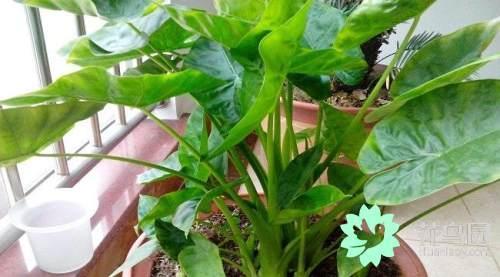
Alocasia macrorrhizos is a fairly common flowering plant for us, mostly used as a household potted plant. More and more people are cultivating this plant; even though its sap is toxic, it still cannot hold back its popularity, and it is very common in flower shops. So how should beginners grow Alocasia macrorrhizos? What growing points do they need to know? Below, let me introduce how to grow it!
1. Soil
The first step in cultivation is finding the right soil. A good soil mix is a great help to its growth. For potted plants in general, leaf mold is indispensable. We can use leaf mold mixed with peat soil, river sand and some cake fertilizer to make a nutrient soil, and it can also be grown hydroponically. If hydroponics is used, then to prevent root rot, add nutrient solution. Remember to repot and change the soil every spring, and change the soil once a month to keep it airy.
2. Temperature
Alocasia macrorrhizos requires a temperature of 20°C to 25°C and likes a warm, humid, semi-shaded growing environment, and the growing conditions should be decided according to seasonal changes. It is now entering the hot summer, so the watering frequency should be increased, with moisture maintained at irregular intervals, and the soil should not be allowed to get too dry. In summer, water evaporates in large amounts, so special attention is needed. In winter, pay attention to cold protection; Alocasia macrorrhizos is not very cold-resistant.
3. Watering
Watering is decided according to the season and weather, and should be done appropriately. In summer, control the amount when watering; do not water too much and cause water to accumulate at the bottom of the pot, leading to root rot. In winter, Alocasia macrorrhizos enters dormancy, and during dormancy watering should be controlled and kept as little as possible.
4. Fertilizing
The fertilizing cycle is about once a month, and topdressing must be done once every two weeks. Fertilizing should use thin liquid fertilizers such as nitrogen fertilizer and phosphorus-potassium fertilizer as supplementary fertilizer components.
5. Light
A semi-shaded plant should avoid direct strong light, and drooping leaves may be caused by a lack of fertilizer, so liquid fertilizer can be applied to it. During the flowering period, Alocasia macrorrhizos should have its light changed to five hours a day, otherwise it is unfavorable to the growth of the flower buds.