How to grow bellflower in pots? A detailed guide to cultivation methods
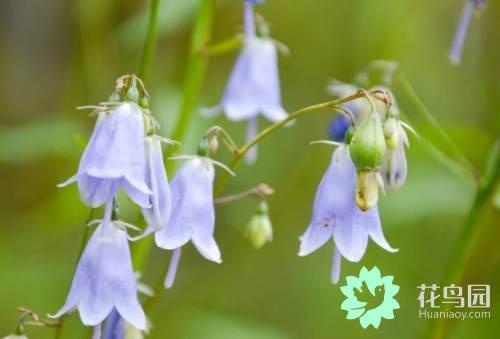
Bellflower is an annual or perennial herbaceous plant, named for its flowers that bloom like a bell or clock. It has many varieties and rich flower colors, and is highly ornamental whether grown as a potted plant or in garden cultivation. So how should we grow it as a potted plant? Let's take a look together below.
Growth habits
Bellflower is a temperate plant that prefers an environment with ample light and has fairly strict temperature requirements. The suitable temperature for growth is 13-18 degrees, and the suitable temperature for germination is around 20 degrees. It is not tolerant of high temperatures; in summer it prefers a cool climate. When the summer temperature is higher than 28 degrees, the plant grows poorly, begins to wither, and its leaves turn yellow and fall off. It is not cold-tolerant; in winter it prefers a mild climate, and below 2 degrees it stops growing and the stems and leaves begin to turn yellow. It prefers a dry environment and is relatively drought-tolerant, but it is averse to waterlogging. Long periods of rainy days or excessive water accumulation in the pot soil will cause the plant to become spindly and produce smaller flowers. It has low requirements for soil and is suitable for loose, breathable, well-drained sandy soil that tends toward acidic.
Propagation methods
The main propagation method is seed sowing. From sowing to flowering takes six months, so the sowing time can be chosen by counting backward from the desired flowering time. Bellflower seeds are relatively small. Before sowing, soak the seeds for about 12 hours, then mix the seeds with sand at a ratio of 1:5 and sow. The sowing seedbed should have ample light and good drainage. Before sowing, disinfect the soil. After watering the soil thoroughly, evenly scatter the seeds on the seedbed, keep the seedbed slightly moist but not overly wet, and control the temperature at 20-24 degrees. Seedlings will emerge after half a month.
Potted plant management
Seedlings can be transplanted into pots when they have grown 5-6 leaves. Choose a time of day when the sunlight is not intense but there is still ample light for potting up. After potting, water thoroughly immediately so that the seedlings make full contact with the soil medium.
Light: Bellflower likes light. In an environment with ample light, it grows uniformly and its flowers are brightly colored. With 14 hours of light per day, it can bloom naturally. If there is insufficient light, the plant will become leggy and the flower colors will be dull.
Temperature: It is fairly sensitive to temperature. In summer, do not exceed 30 degrees; in winter, do not go below 0 degrees.
Watering: Water according to the principle of "water when dry, and water thoroughly when you do," but do not overwater to the point of excessive water accumulation in the pot soil. Water according to seasonal changes. In summer, with high temperatures and high evaporation, water frequently; in winter, with low temperatures, water less or not at all.
Fertilizing: Its nutrient demand is moderate. The main fertilizing should be done during the peak growth season, the bud stage, and the flowering stage. Fertilizing should stop in summer and winter.
Pruning: After potting, the plant looks rather messy when it begins to grow, and later it will naturally grow uniformly. To control the plant's growth height and increase the number of flowers, you can pinch the growing tips when the seedlings are 6-8 cm tall.