How to grow a Peace Lily tree? Growing methods and precautions explained in one go
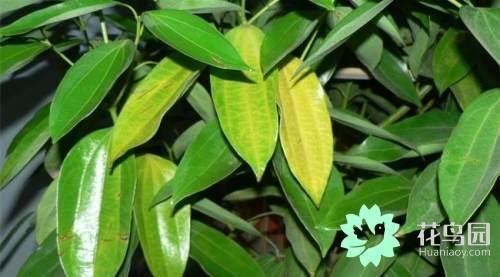
The Peace Lily tree symbolizes family happiness and everything going smoothly. Many people grow it at home, and it is a relatively common ornamental plant in home life. So do you know how to grow a Peace Lily tree correctly? What should be noted during the growing process? Follow along with the editor below to learn about the growing methods and precautions for the Peace Lily tree.
1. Potting soil
The Peace Lily tree prefers loose, fertile, well-draining acidic soil with a pH between 5.0-6.5. If you squeeze the soil with your hand and it has more granules and good air permeability, that is suitable; some soils have more powder, and long-term watering can easily cause the soil to solidify and become compacted, resulting in poor air permeability, so they are not suitable for selection.
There are no major requirements for choosing a flower pot. Just choose one suitable for the plant's growth according to the plant's size. It is not advisable to choose a plastic pot made of a relatively light material, as pots of this material crack easily.
2. Light
Temperature: The Peace Lily tree is a light-loving plant. In an environment with sufficient sunlight, it grows quickly and robustly; with sufficient light, the leaves emit a metallic luster, whereas otherwise the leaves are withered and lusterless. Avoid exposure to strong sun; in the high-temperature summer season, shading treatment is needed, or move it indoors for growing. Each growth stage has different light requirements: growing for 3-5 years requires normal light, growing for 6-10 years requires long periods of light, and the longer it grows, the greater its light requirement. The suitable growth temperature is 20°C~30°C.
3. Watering
The Peace Lily tree prefers a humid environment. During the peak growth seasons of spring and autumn, it needs frequent watering to keep the potting soil moist, and you can also often spray water on the leaf surface to maintain air humidity. In winter, less watering is needed. A small amount of ferrous sulfate solution can be added to the water to increase soil acidity. Do not water too much, to avoid water accumulation caused by overly wet potting soil, which can easily cause the plant's root system to rot.
4. Fertilizing
The Peace Lily tree likes fertilizer. During the growing season, a compound fertilizer should be applied monthly; in the cool autumn season, a phosphorus-potassium fertilizer should be applied as a top dressing to increase the plant's cold resistance; in winter, fertilizing should be stopped. When fertilizing, note that if the leaves turn yellow and drop, it means improper fertilizing, and you should immediately water or replace the potting soil.
Precautions
1. Pruning,
When the Peace Lily tree is too dense, it should be pruned. The pruning time is in April each year when the weather is clear. It is recommended to cut off diseased branches and weak branches, and shorten long branches. When the plant is relatively small, pinching can be done to promote branching.
2. Loosening soil and repotting
For the Peace Lily tree's potting soil, it is recommended to loosen the soil once a month to ensure the soil is loose. When loosening the soil, be careful not to damage the plant's root system. For small Peace Lily trees, it is recommended to repot once a year; for large ones, it is recommended to repot once every 2-3 years. When repotting, replace about half or one third of the old soil and cut off the dead root system.