Eating these foods more in summer can treat diabetes, prolong life, aid weight loss and beauty
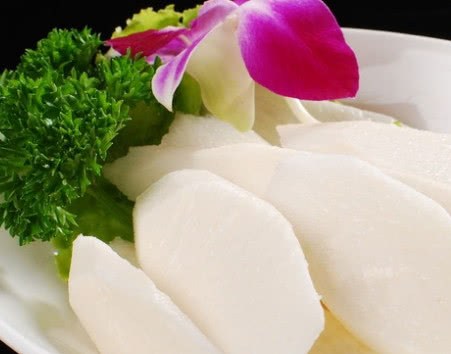
Chinese yam strengthens the spleen and benefits the stomach, and aids digestion. Chinese yam contains a variety of nutrients and has the effect of strengthening the body and tonifying the kidneys and essence. It can be taken for conditions such as kidney deficiency and spermatorrhea, excessive vaginal discharge in women, and frequent urination. Chinese yam contains saponins and mucilage, which have a lubricating and nourishing effect, so it can benefit lung qi, nourish lung yin, and treat conditions of lung deficiency with phlegm and chronic cough. Chinese yam contains mucilage protein, which has the effect of lowering blood sugar and can be used to treat diabetes, making it an excellent food therapy for diabetic patients. Chinese yam contains a large amount of mucilage protein, vitamins and trace elements, which can effectively prevent blood lipids from depositing on blood vessel walls, prevent cardiovascular diseases, and achieve the effects of benefiting the mind, calming the nerves and prolonging life. In recent years, research has found that Chinese yam has a sedative effect and can be used against hepatic coma.
Clove tea is suitable for everyone to drink, especially for people with stomach distension and pain or unclear spleen deficiency, or people in the recovery period of weak spleen and stomach, who can reduce the amount of Chinese medicine and take clove tea to nourish the stomach. Although clove tea is not an expert at curing diseases, it is the best helper for regulating the spleen and stomach. Just take 3~5g of tea leaves daily and brew them repeatedly for drinking. Clove is named for its rich aroma. Its effects of strengthening the stomach, relieving distension and promoting the expulsion of gas can suppress hiccups, nausea and poor breath caused by rising stomach fire or diseases such as periodontitis, inhibit the growth of bacteria and microorganisms, and also relieve symptoms of upper respiratory tract infection and increase the body's antibacterial ability.
The nutritional value of cabbage is about the same as that of Chinese cabbage, and its vitamin C content is about twice as high. In addition, cabbage is rich in folic acid, which is an advantage of cruciferous vegetables, so pregnant women and patients with anemia should eat more cabbage. Cabbage is also an important beauty product. Cabbage can improve human immunity, prevent colds, and ensure the quality of life of cancer patients. Among anti-cancer vegetables, cabbage ranks fifth. Fresh cabbage contains phytoncides, which have antibacterial and anti-inflammatory effects, and have a certain effect on sore throat, swelling and pain from trauma, mosquito bites, stomach pain, and toothache. It has a very good therapeutic effect on ulcers, can accelerate wound healing, and is an effective food for patients with gastric ulcers. Eating more cabbage can also increase appetite, promote digestion, and prevent constipation. Cabbage is also an ideal food for patients with diabetes and obesity.