How to get potted geraniums through the summer: learn this trick for green leaves, more flowers and fast, overflowing pots
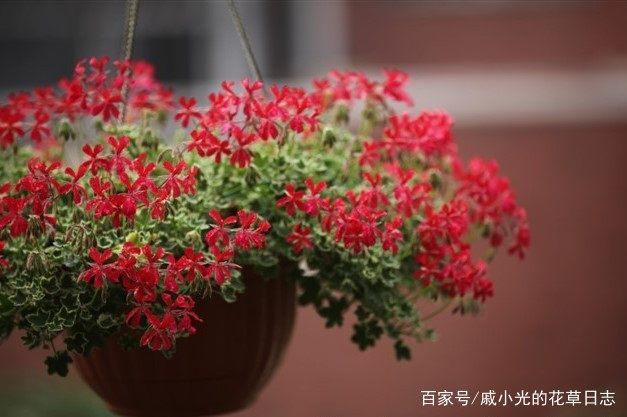
Potted geraniums, commonly known as zonal geraniums, will bloom as long as the temperature suits them, and they never stop. Geraniums, whose native species mostly come from South Africa, love plenty of light and a warm, moist but not overly wet environment. When it gets cold and you put them indoors, they will still bloom sparsely and without interruption, and once spring arrives, they bloom even more brilliantly, truly infectious to see.
With potted geraniums, there is a problem during care that gives flower lovers a headache: they are hard to get through the summer. Potted geraniums include upright, semi-upright and trailing varieties. In my personal experience, trailing geraniums bloom little in winter but get through summer easily, upright varieties bloom well in winter, and semi-upright and trailing varieties bloom well in summer.
For potted geraniums, the most critical point for getting through summer is the need for air circulation: not only must the plant be placed in a ventilated spot, the roots also need air. Do this well and there will basically be no problem getting through summer. For potted plants, use breathable shallow pots for planting, and the bottom of the pot must have drainage holes, and the bigger the better.
Most geranium roots are relatively shallow, so using deep pots easily causes water to accumulate around the roots and rot them. It is best to put a layer of small, water-permeable and breathable stones at the bottom of the pot. For the potting medium, also choose one with good water permeability, not a moisture-retaining medium. Always remember, there must be no standing water in the flower pot, and no standing water in the saucer either; keep the bottom of the pot ventilated and unobstructed.
Geraniums getting through summer still need watering; unlike succulents, they are in a semi-dormant state. When the pot feels light when lifted, you can water. Water along the edge of the pot, not into the middle; the medium has moisture-conducting properties, so there is no need to worry that the middle will stay dry. For a watering tool, choose a watering can with a long, thin spout, so you can precisely control the watering range.