Growing roses the most ordinary way, yet the blooms come out bigger
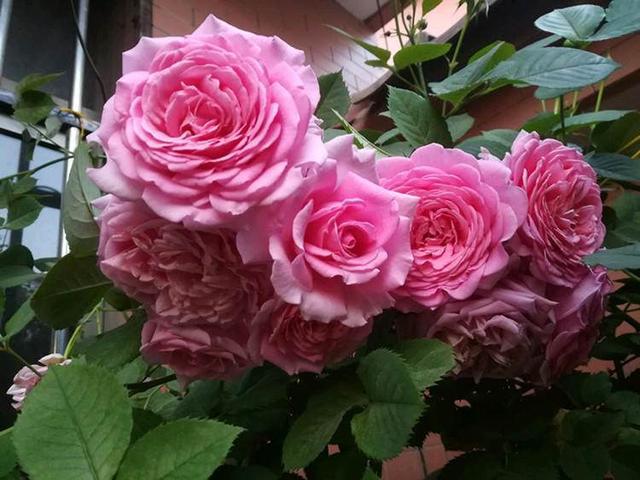
When it comes to growing roses, gardening friends all like novel methods and enjoy giving them a try, but they never seem to find a care routine that suits them. Actually, when you get right down to it, for potted roses, just use the most "ordinary" methods, and the blooms can come out very impressive.
1. The ordinary fertilizing method
Fertilize scientifically according to the rose's characteristic of loving fertilizer. For base fertilizer, mainly use slow-release organic fertilizers, such as decomposed cow manure, chicken manure, rapeseed cake, bone meal, etc. For top dressing, mainly use quick-acting organic fertilizer specially made for roses, generally with nitrogen, phosphorus and potassium blended in a fairly balanced and reasonable ratio. Apply top dressing once a week; just mix 1 ml of nutrient solution into 500 ml of water.
In the high-temperature summer season, appropriately lower the fertilizing concentration. Before the roses go dormant at the end of October, stop applying nitrogen fertilizer and apply more phosphorus and potassium fertilizer to strengthen their ability to resist the cold. You can use a 200-times solution of monopotassium phosphate to water them, or a 1000-times organic nutrient solution for root-outside top dressing (foliar spray).
2. The ordinary watering method
Water potted roses according to different treatments for different seasons. During the winter dormant period, the leaves have all fallen and water consumption is not great, so just maintain a certain humidity. Once early spring arrives, new buds sprout and branches and leaves grow, so water demand gradually increases, and you should appropriately meet the water needs.
During the peak growing season and flowering period of roses, the branches and leaves are vigorous and water demand increases, so the amount of watering should increase accordingly. In summer's high temperatures, water evaporates even more, especially in dry seasons, so you should water once each morning and evening, and each time water thoroughly until water flows out from the bottom of the pot.
3. The ordinary pruning method
Spring, summer and autumn are the growing seasons for roses. After each round of blooming, a comprehensive pruning must be carried out. Generally, light pruning is suitable: promptly cut off spent flowers and thin, weak, crossing and overlapping branches, keep thick, young branches, leave buds facing outward, and at the same time promptly renew old branches, pruning into a natural open-center shape to facilitate ventilation and light penetration and reduce the occurrence of pests and diseases. For thick, vigorous water sprouts, pinch the tips before they become woody; this can make the canopy more compact, even in height, and the flowering branches evenly distributed.
Image from gardening friend: Hangzhou Nongtu