Use the short-day technique for hydrangeas to make the flowers more brilliant
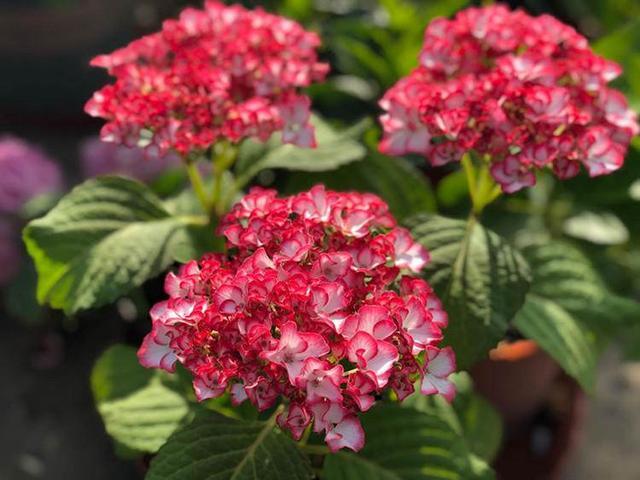
Hydrangeas are relatively easy to manage, with few pests and diseases, making them an ideal potted flower that is fairly easy to care for and cultivate. The flowers first open greenish-white, gradually turning pink, then purplish-red, with beautiful and vivid colors. If you want them to bloom again and again, you need to make good use of this "short-day" condition.
So, how do you use "short days" to force hydrangeas into bloom? The method is very simple: hydrangeas are short-day plants, and they need more than 10 hours of darkness each day for about 6 weeks to form flower buds. For forced cultivation, after the plants go through a 6-8 week cool period (5°C-7°C), place the plants at 20°C to force flowering; once flower buds appear, lower the temperature to 16°C, and after maintaining this for 2 weeks they will bloom.
After hydrangeas bloom, flower lovers need to pay attention to a few points when caring for them:
1. Repot once every year in early spring, changing to fresh potting soil (half leaf mold and half garden soil, mixed with a small amount of sandy soil). When repotting, remove some of the old soil and rotten roots, and prune appropriately.
2. Hydrangeas like fertilizer. During the growing period, generally apply a dilute general-purpose organic liquid fertilizer for flowers once every 15 days; during the bud stage, apply 1-2 additional doses of general-purpose organic liquid fertilizer for flowers, diluted 500 times and poured at the roots, which can make the flowers larger and more colorful. If using cake fertilizer, avoid the dog days of summer to prevent pests, diseases and injury.
3. Hydrangea leaves are large and the branches and leaves are lush, so they need more water. During the spring, summer and autumn growing seasons, water thoroughly to keep the potting soil moist at all times. In summer, when the weather is hot and evaporation is high, in addition to watering thoroughly, you also need to spray water on the leaves every day. The roots of hydrangeas are fleshy roots, so watering must not be excessive, and waterlogging in the pot should be avoided, otherwise the roots will rot.
After September, as the weather gradually turns cooler, gradually reduce the amount of watering. Before Frost's Descent, move them indoors, and the room temperature should be kept at around 5°C. Before bringing them indoors, remove the leaves to prevent leaf rot. In winter, it is best to place the plants in a sunny spot indoors, and it is best to move them outside after Grain Rain the following year.
4. Because hydrangea flower heads are too large, stakes should be set up and ties made in time. This not only keeps the flowering plants standing upright, but also makes the plants look fuller.
Image from flower lover: Ziying