Keep a potted flower at home that leaves a lingering fragrance, and it can help improve your sleep quality
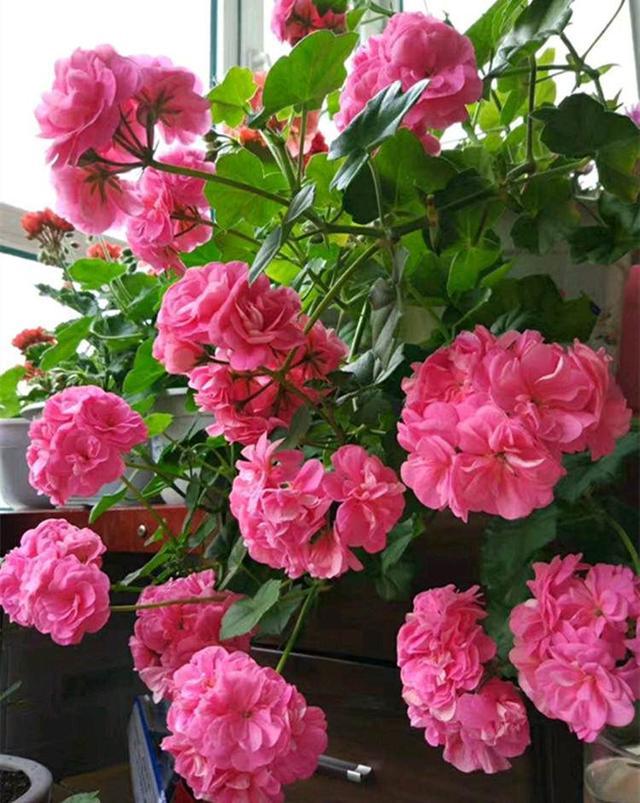
Pelargonium (geranium) not only comes in a wide variety of cultivars with bright, beautiful blooms, but can also absorb chlorine and nitrogen dioxide from the air, and is resistant to sulfur dioxide and hydrogen fluoride as well. In addition, the fragrance of pelargonium flowers has the effect of calming the nerves, relieving fatigue and promoting sleep, and helps treat neurasthenia. Placing 1~2 pots in the bedroom can lull you to sleep and improve your sleep quality.
For potted pelargoniums, when planting them, gardeners can use leaf mold mixed with an appropriate amount of sandy soil and rice hull ash, plus a small amount of bone meal as the potting soil. The pot should be repotted once a year, replacing the soil with fresh growing medium to encourage growth and flowering. Repotting is best done from mid-August to early September. Before repotting, prune and reshape the plant first, and wait until the potting soil and the cut surfaces are dry before repotting. When repotting, appropriately trim away some of the longer and excessive fibrous roots.
Every year in mid-to-late April, place the pelargonium outdoors in a well-ventilated, sunny spot for care. To keep it blooming continuously, gardeners should frequently apply a dilute general-purpose organic fertilizer for flowering plants, generally once every 10 days, diluted 500 times and poured onto the roots.
In normal care of pelargoniums, do not water too much, otherwise the leaves will turn yellow, the plant will grow poorly, and it will be hard to form robust flower buds. Generally, water again only when the leaf tips begin to wilt, and when you water, water thoroughly. From late June to early August, when the weather is hot, the pelargonium is in a semi-dormant state, so fertilization should be stopped and watering controlled.
High temperatures, direct sunlight and water accumulating in the pot after rain can all disrupt the pelargonium's dormancy, and may even cause root rot and death. Therefore, during the pelargonium's dormant period, gardeners should place it on a shaded balcony or windowsill, or in a spot in the courtyard that is out of the light and sheltered from rain; doing so can also shorten the dormancy period.
Autumn is the peak season for pelargonium growth and flowering, and you can apply an organic nutrient solution for flowering plants several times along with watering to encourage blooming. After flowering, promptly cut off the flower stalks, old stalks and old, weak branches, or do a short pruning, to encourage more branching.
In winter, move it indoors and keep the room temperature above 5°C. Watering must be strictly controlled, and let it receive plenty of light and appropriate ventilation. On sunny days at noon, it can be moved outdoors for ventilation and light, and in this way it can safely overwinter.
Image from gardener: chouwa9