What should you keep in mind when choosing easy-to-keep fish?
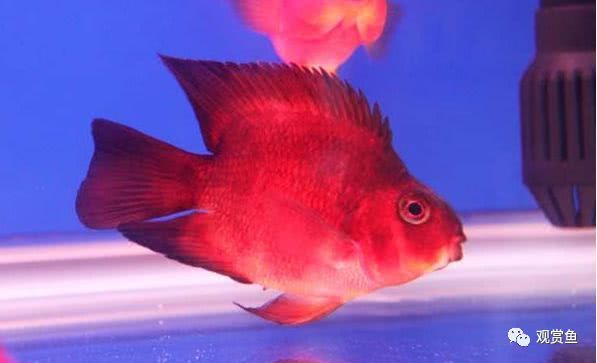
Are ornamental fish easy to keep? There are a great many species of ornamental fish, some easy to keep and some not. Owners can choose according to their own circumstances, but for beginners with no fishkeeping experience it is best to choose ornamental fish that are relatively easy to keep, so that the fish will not end up dead. So are ornamental fish easy to keep? Below we will look at the key points of keeping ornamental fish.
1. To keep fish well, you must first learn to buy good fish: healthy fish swim in the middle and lower layers of the water (except for surface-dwelling fish), compete for food, swim naturally and leisurely, have clear transparent and free-moving tail fins, clear eyes, and a large body. Fish that sink to the bottom, gasp at the surface, swim in a struggling manner, have external injuries, white fuzz, white spots, thick and cloudy tail fins, severe blood streaks, dull body color, cloudy eyes, stay alone by themselves, refuse food, or rub their bodies against the tank glass are all sick fish and must certainly not be purchased.
2. If you plan to keep several different species of fish together in one tank, you must take into account the compatibility between the different species. Aggressive fish and peaceful fish are not suitable for being kept together; fish that differ too much in size are not suitable for being kept together (peaceful species can be considered); fish with different water quality requirements are not suitable for being kept together, and so on.
3. When buying, for aggressive and medium-to-large fish, not only must oxygen be supplied and maintained, but the outer layer of the container must also be covered with another black bag to reduce outside disturbance to the fish. High-grade fish should each be bagged separately to avoid damage from touching one another. When buying fish in winter, attention must also be paid to keeping them warm; the plastic bags holding the fish must be thick and reliable, especially for fish with hard fin spines.
4. After bringing tropical fish home, do not rush to put them in the tank. First immerse the plastic bag holding the fish in the fish tank for ten to twenty minutes, then open it, and let the water in the tank flow back into the bag in several stages, slowly mixing with the original water in the bag, so that the fish gradually adapt to the water temperature and water quality. If there is lighting, the light should be turned off; in the dark the fish are calmer and less easily startled.
5. Tropical fish are most suited to living within the range of 25°C-28°C. In summer they can live normally at 32°C, but if the temperature changes too much, tropical fish cannot adapt. Before buying fish, not only should you adjust the water temperature of your own aquarium, but you should also note that the difference between the water temperature at the aquarium shop and the water temperature of your home tank should not be large; generally a difference within 4°C is acceptable. If the difference between the two water temperatures is too great, it is better not to buy for the time being, and to make an extra trip to adjust the water temperature to basically the same before buying.
6. Changing too much water at one time in the fish tank will cause water quality discomfort. Water quality includes pH value, hardness, chloride ions, dissolved oxygen, nitrate, sulfide, protein and turbidity, etc. Tropical fish have already adapted to living in the original water quality; if all the water is changed, suddenly altering the water quality, they cannot adapt, their constitution declines and they become ill. If the tank needs to be thoroughly washed, most of the old water should also be kept; after washing the tank, return the kept water to the tank and then add new water.
7. Pay attention to the stocking density of the fish. Tropical fish like a large space for activity. Beginners often buy any fish they like on sight and seldom consider just how many fish the tank can actually hold; this point requires special attention. As a general rule, base it on 1 liter of water for a fish 1 cm long. If your fish tank holds 100 liters of water, then at most you can keep about 10 tropical fish 10 cm long, which is relatively safe. I myself insist on controlling it at around 1.5 liters. In a larger space, fish are more active, have stronger constitutions and more vivid colors. Keeping too many, with excessive density, leads to oxygen shortage in the water and deterioration of water quality, which are the main causes of illness and death in tropical fish.
8. How to feed. With an ornamental fish tank, the most important thing is to control feeding; one to two times a day, with the food eaten within 3 to 5 minutes, is suitable. Feed less on rainy days, and do not feed at night. Digestion of food consumes more oxygen in fish; on rainy days and at night the air pressure is lower, so dissolved oxygen in the water is also low. Feeding fish in rainy weather may lead to severe oxygen deficiency in the water and death of the fish. Most fish deaths occur at night, and severe oxygen deficiency in the water is one of the main causes.
9. The bait must be clean; this is what beginners most easily overlook. Feeding unclean fish bait very easily leads to the occurrence of fish diseases. It is recommended to buy brand-name frozen fresh food produced by professional companies, such as bloodworms, brine shrimp, etc. Although live worms such as tubifex and bloodworms are what tropical fish like best, live worms grow in polluted water environments and, during temporary holding, very easily die and rot; therefore, live food should be introduced with caution.
10. Keep the water clean. After tropical fish eat, they consume a large amount of oxygen and excrete a large amount of waste, which pollutes the water and breeds bacteria. In order to keep the water clean, a high-efficiency filter must be installed. If fish are kept in a bare tank, every day you should also use a siphon to remove waste from the bottom of the tank while changing one tenth or slightly more of the old water; especially in summer this must not be neglected. In an ecological tank with fish and aquatic plants kept together, changing 1/3~1/4 of the water once a week is enough.
11. Do not let grease and detergent, etc. get into the water. Oil stains will float on the surface and cut off the air, so that the oxygen in the water cannot be replenished, which will lead to oxygen deficiency and death of tropical fish. Feeding meat foods, or even handling things with hand cream applied to the hands, will bring grease into the water, and this should be carefully avoided. Accordingly, the fish tank should be kept even farther away from places where oil and gas are produced.
12. It is best to start by keeping inexpensive, easy-to-keep fish, and once you have accumulated experience, then keep rare and valuable varieties; then you will be able to do it with ease and succeed.
I hope the above content can help everyone. If there are any shortcomings, I hope the seniors will offer guidance.