Long blooming period and high ornamental value: this flower instantly turns a home balcony into a garden
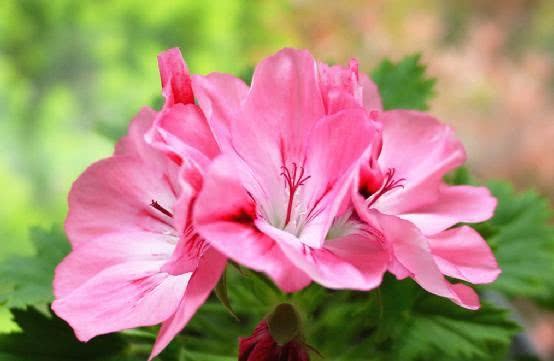
Geraniums, as an ornamental plant we are all very familiar with, enjoy great popularity among gardening enthusiasts. Their long blooming period, high ornamental value and easy care have made them a necessity in many homes, so for those who want to grow geraniums, how exactly should they be grown? And what points are worth paying attention to? If you have these questions too, then read on!
To grow geraniums well, understanding their habits is the most crucial thing. Generally speaking, geraniums prefer a warm winter and cool summer environment. As long as you keep them warm in winter and provide shade in summer in good time, you can ensure that geraniums stay in good growth all year round, which is precisely an important reason for their long blooming period. As for the choice of soil, geraniums actually do not have high requirements for soil; basically any soil that ensures drainage and air permeability will do. However, in later cultivation, what needs attention is that you must avoid soil compaction.
Whether a plant grows well has a lot to do with water. Generally speaking, the growth of geraniums does not require too much water, so when watering we only need to follow the principle of "water only after the soil has dried out completely, and water thoroughly when you do." If you water too little, the leaves lack water and turn yellow, wilt and droop; if you water too much, it is very likely to cause water accumulation in the pot, and the soil lacks oxygen, ultimately leading to root rot. As for the seasons, usually in spring and autumn you can appropriately increase the amount of watering, and in summer and winter reduce it appropriately. Especially in summer, if there is rainy weather, it is best to also do a good job of preventing waterlogging.
Although geraniums cannot be considered a fertilizer-loving plant, their growth process, especially the blooming period, still requires supplementary fertilizer. In terms of fertilizing, we can follow the principle of "small amounts, multiple times," determine the amount of fertilizer to use according to factors such as pot size and the size of the geranium plant, and then fertilize according to the principles introduced above. If too much fertilizer is applied, it may put great pressure on the roots and affect normal growth; if the amount of fertilizer is too small, it will have little effect and instead cause soil compaction.
Of course, since it is now June, we should also talk about some seasonal knowledge. "Getting geraniums through summer" has always been a long-standing difficult problem for many gardening enthusiasts, so how exactly should this be handled? Generally speaking, geraniums fear waterlogging and high temperatures most when getting through summer. The former is due to excessive watering or being soaked by rain, which in mild cases causes soil compaction and lack of oxygen, making the plant turn yellow and wilt, and in more serious cases may also breed black rot, so it must be dealt with promptly. High temperatures, on the other hand, may directly scorch the plant, so it is recommended to put up a shade net once the temperature exceeds 35 degrees, and remove the net once it is below 35 degrees; otherwise, place the delicate varieties on a north-facing balcony.