The best spot for indoor plants: easy care whether it's cold or hot
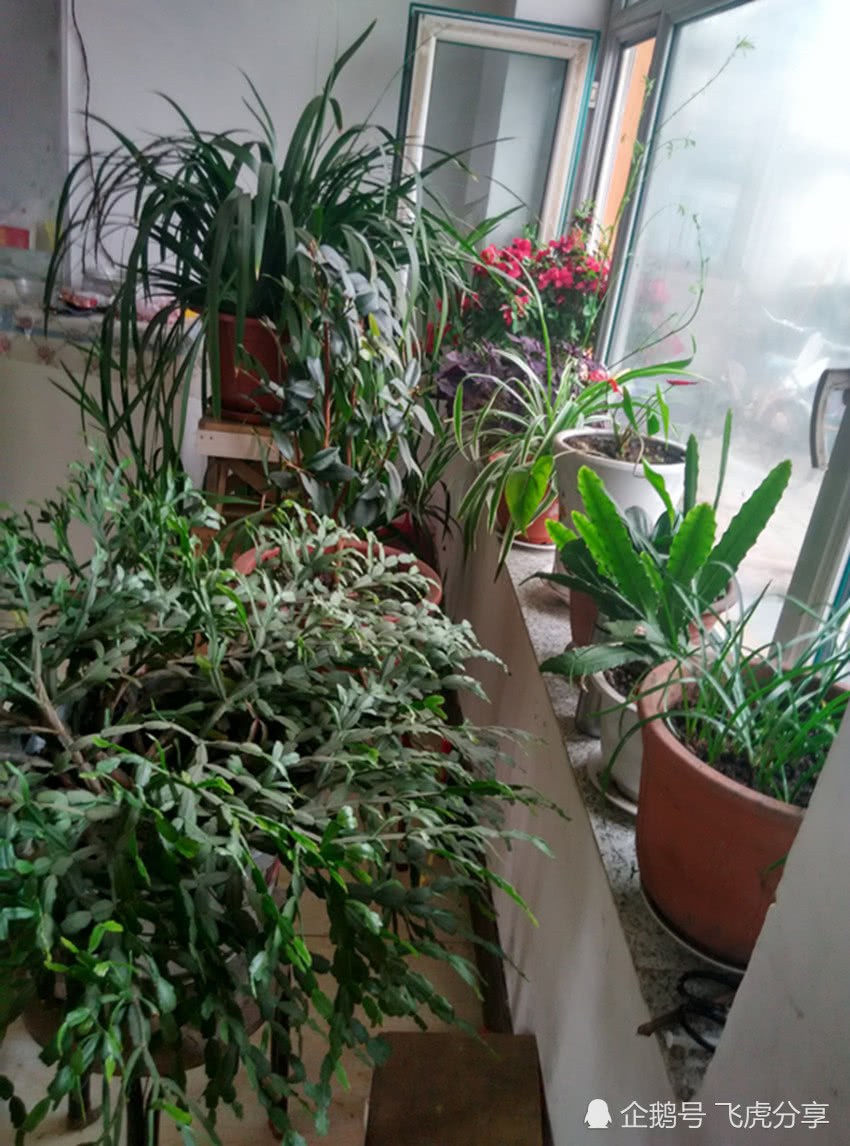
Most home gardeners grow their plants indoors, but because indoor space is limited, sometimes it's hard to know which spot is best. If the position is wrong, the plants will grow poorly, and may even develop problems like yellow leaves, leaf drop, drying out, leggy growth and weak spindly stems. So where exactly is the best place to put indoor plants? Let's take a look at where the plants in my home are placed.
The plants in my home have been sitting in this spot for years now. It's the spot near the south-facing window. I once grew them in other positions (not counting outdoors), and neither the foliage nor the flowering was ever as good as near the south-facing windowsill. The plants in the picture above are just the tip of the iceberg; there are plenty more on the balcony and outdoors. I've divided my plants into three grades: small shade-tolerant plants go on the south-facing windowsill, slightly larger ones go on the flower stand below the windowsill. In summer I hang a gauze curtain on the window, and put the semi-shade plants on the balcony, hanging a gauze curtain on the balcony window, while sun-loving plants go outdoors, left to wind and rain.
The advantage of placing plants this way is: in summer, with a gauze curtain hung on the window, even when temperatures are high they won't be scorched by strong sunlight, and since the window is open in summer, the ventilation is good. In winter the window is shut tight, so during the day they can enjoy the warmth of the sun, which is especially helpful for flower buds and blooming in plants that flower from winter to spring. And care is very easy too: in summer you don't have to worry about the temperature being too high and sunburn, and in winter you don't have to worry about poor growth from lack of light. Just water once every few days and basically nothing else needs doing.
Because indoor air is too dry when growing plants indoors, you should often spray water on the leaves and stems, whether in summer or winter. Especially in winter, since doors and windows are closed and the air conditioning and heating are on, the indoor air becomes even drier. Besides frequent spraying, you should also use other methods to raise humidity, such as covering the flowerpot with a wet towel, spraying water on the ground around it, etc. For beginners, it's best to buy a thermometer and hygrometer; with one, the indoor temperature and humidity are clear at a glance and can be adjusted conveniently at any time. The reason many plants don't grow well in the north is related to dry air, so the humidity for indoor plants should not be overlooked.