Watering flowers is a matter of knowledge: some are suited to spraying with water, others to misting
Growing flowers not only cultivates character but also adds interest to life, and many people like to plant some flowers and greenery at home. But growing flowers still requires some effort from flower lovers. Many flowers are quite delicate, and with one careless move you can kill them. There is also a great deal of knowledge involved in growing flowers. Today let's talk about the issue of spraying water on flowers.
Can flowers only be misted and not sprayed with water?
At first glance at this question, my mind suddenly flashed with all sorts of watering tips for plants. I also remembered the scene of my father growing flowers at home. My father had a rather hot temper, and every time he watered the flowers it was on a summer evening, taking a rubber hose and fitting it onto the tap, and his watering posture was very rough. He always sprayed water directly, so there was no such thing as misting. But the flowers actually grew quite well. Still, this is not worth learning from; the method is too rough.
When watering flowers, you must choose the appropriate method according to the variety of the flower. A watering method like my father's is mainly suited to the flowers he grew, which were all flowers with strong vitality and very strong adaptability. Things like moss rose, spider plant, Madagascar periwinkle, garden balsam, and Chinese rose. None of them are rare or precious flowers, and there is not much fuss about growing them ordinarily. But if you switched to orchids, gloxinia, begonias, or succulents, it would probably also cause the flowers to die.
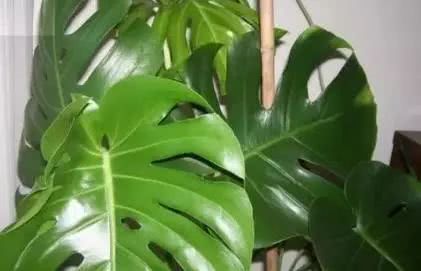
The choice between misting and spraying water must also be decided according to the characteristics of the plant. For example, plants suited to spraying with water are generally foliage plants. The leaves of these plants are relatively large, they bloom relatively little, and their leaves transpire quite vigorously, so the air humidity needs to be maintained, and frequently spraying water on the leaves helps maintain the leaves' gloss and cleanliness and enhances their ornamental value. For example, plants like the rubber tree, Swiss cheese plant, pothos, Radermachera sinica, and Alocasia macrorrhizos are all very well suited to being cared for by spraying with water.
Plants that are more suited to misting are generally plants with relatively high water needs but whose leaves are relatively prone to rotting because of water stains. Some, because their roots are fleshy, are prone to root rot when too much water is sprayed, so for these plants you can choose to mist around the environment where the flower is growing to increase the moisture in the environment. For example, flowers like gloxinia, begonias, cyclamen, Phalaenopsis orchids, and dahlias. Spraying water on the leaves of these flowers easily leads to leaf rot or root rot.
There are also some flowers that are not very suited to spraying with water or misting, such as the clivia. Spraying water or misting a clivia easily causes water droplets to flow into the leaf center, thereby triggering rot. So you can use a damp cloth to wipe the leaves, increasing moisture and keeping the leaves clean.
The above is original content from Science Xingnong.