Snake plants are best not repotted in summer, and after repotting, do not rush to water them.
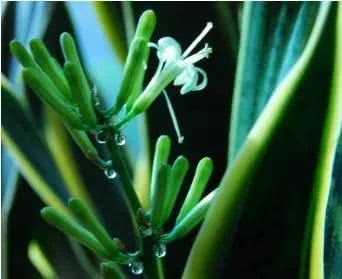
In recent years, snake plants have become very popular among plant lovers. Snake plants not only have a great indoor decorative effect, but also help purify the air. So they are very suitable for indoor growing. However, snake plants are indeed not that easy to grow well, and many plant lovers say their snake plants always develop various problems. Here I will share with you some points about repotting snake plants.
1. When to repot a snake plant
Personally, I think repotting now is very unsuitable for the growth of snake plants. It is summer now, the temperature is very high, and the weather is hot. Snake plants grow relatively fast in summer. If you repot them, it is very easy to damage the plant's roots, slow down the growth rate, or even stop growth directly. In addition, summer weather is relatively humid and muggy. If you repot a snake plant at this time, it is very easy to cause the fleshy roots of the snake plant to rot, which then leads to the death of the plant. So it is better not to repot in summer.
If you want to repot a snake plant, you can wait until autumn. At this time, the growth rate of the snake plant slows down, damaged roots recover more easily, and the weather is also more suitable. So repotting in autumn is more appropriate. In addition, repotting in early spring is also fine. At this time, the growth rate of the snake plant is still relatively slow, so it is quite suitable for repotting.
2. How do you repot a snake plant?
Snake plants generally need to be considered for repotting after two to three years of growing, because the nutrients in the potting soil have been mostly used up, and the plant has grown relatively large, so you need to consider whether the size of the pot is suitable and whether division is needed. Also, the roots need to be trimmed. Because after several years of growth, many old roots and bad roots of the snake plant are no longer useful and should be trimmed in time to promote the growth of new roots.
When repotting a snake plant, be careful not to damage the roots and leaves of the snake plant when removing it from the pot. Carefully let the potting soil fall away naturally. If the plant is relatively large and has small snake plant offsets, you can consider dividing it. When dividing, use a relatively sharp knife, preferably sterilized. When dividing, it is best to keep a few more old leaves, as this helps survival. After dividing, pot them up, and be careful not to rush to water. Watering at this time easily causes root rot. After repotting, move them to a shady place to recover. Generally, after about seven to eight days, give the snake plant a small amount of water.
The above comes from the original work of Kexue Xingnong!