This potted plant with green flowers is a magical herb that can be eaten and also used as medicine
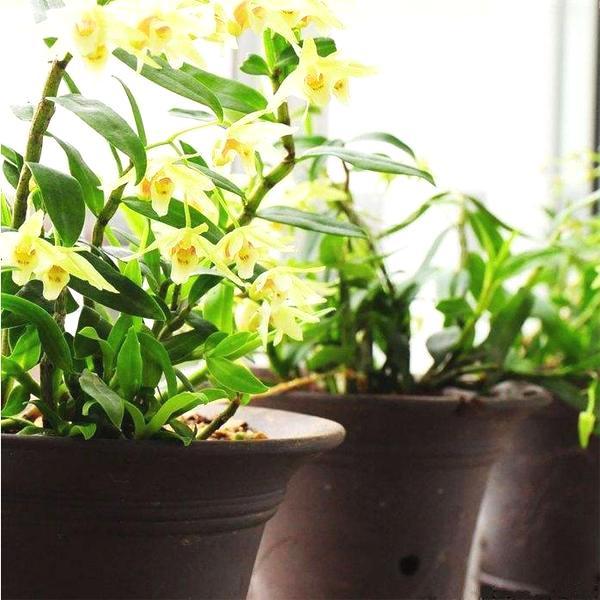
Dendrobium is rich in polysaccharides, which can enhance immune function. Modern pharmacological research also shows that Dendrobium officinale can improve stress resistance and has good anti-fatigue and hypoxia tolerance effects. Traditional Chinese medicine believes that Dendrobium officinale is sweet in taste and slightly cold in nature. It has the effects of promoting body fluid and nourishing the stomach; nourishing yin and clearing heat; moistening the lungs and tonifying the kidneys; improving eyesight and strengthening the waist.
The root bark of the peony is called "Danpi" in traditional Chinese medicine. It contains paeonol glycoside, peony aroma alcohol, benzoin alcohol, and glucose, among others. It has high medicinal value and can be used to clear heat, cool blood, dissipate stasis, relieve pain, lower blood pressure, and inhibit bacteria, and to treat vomiting blood, bleeding, and various women's diseases.
Persian buttercup can be eaten and is a very good vegetable. Moreover, Persian buttercup looks very much like a rose. It is pleasing to the eye and also fresh and delicious to eat. It can be said to be a dish complete with color, aroma, and taste. It can supplement the nutrients needed by the human body and is an ingredient with extremely high nutritional value.
Night-blooming jessamine not only has high ornamental value, but its flowers and flower buds are also a semi-wild vegetable that can be eaten. It has the effect of clearing the liver and improving eyesight, and can treat red and swollen eyes, measles affecting the eyes, corneal opacity, and other conditions, and can also be used as medicine.
Cineraria is a greenhouse flower. When potted, it is used as an indoor display. Its flowering period is early, and blooming in the cold winter is especially precious. Its flower colors are rich and vivid, especially the blue flowers, which shimmer with a velvet-like luster, elegant and charming.
Hydrangea can not only be ornamental but can also be used as medicine. Hydrangea is bitter and slightly pungent in taste, cold in nature, and slightly toxic. It can treat malaria, scrotal eczema, rotten throat, and many other diseases. However, do not consume it without authorization, as improper consumption can cause poisoning reactions. It can be purchased from specialized pharmacies, and consumption should follow a doctor's advice.
Cymbidium goeringii can be used as a medicinal material and consumed. Its roots, leaves, and flowers can all be used as medicinal materials to treat diseases. It can relax muscles and activate collaterals. For some patients with unresolved bruises or inflammatory swelling and pain, Cymbidium goeringii is suitable for use as medicine to regulate and condition the body, and it is very beneficial for the body's recovery.
Chinese rose is sweet in taste and warm in nature, and enters the liver meridian. It has the effects of activating blood and regulating menstruation, reducing swelling, and detoxifying. Because Chinese rose flower has obvious effects in removing blood stasis, promoting qi flow, and relieving pain, it is often used to treat irregular menstruation, dysmenorrhea, and other conditions.