These potted plants do fine in either soil or water culture, making them top choices for beginners
Nowadays, more and more friends like to keep some potted plants at home, such as ivy, pothos, and spider plants, all of which are good choices, as they can not only green up the home environment but also help purify the air. Yet during the care of potted plants, problems such as root rot and yellowing leaves often occur, which not only affect the ornamental effect but also waste all the effort spent on care. In fact, when caring for plants, the choice of variety is very important. So next, let me introduce some potted plants that are both attractive and easy to grow, suitable for either soil or water culture. Let's take a look
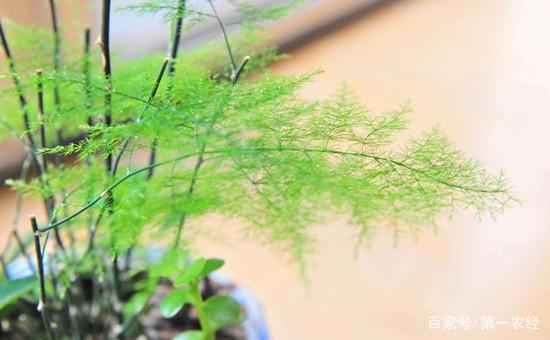
1. Asparagus fern
Soil culture method: The potting soil for asparagus fern should preferably be fertile sandy loam, requiring warmth and moisture, rich in leaf mold, and good drainage. Generally, it can be mixed in a ratio of 4 parts garden soil, 2 parts leaf mold, 2 parts compost soil, and 1 part sand, and the soil should be changed and fertilized regularly. If overly concentrated fertilizer causes "root burn", the pot must be turned out to remove the fertilizer, and the soil ball rinsed with clean water, then replaced with new soil for growing; too much watering of asparagus fern makes the potting soil too wet and easily causes root rot, while too little watering leads to withered, scorched, and yellowed leaf tips. Therefore, when watering, it should be based on the weather, growth condition, and how dry or wet the potting soil is, following the rule of not watering when dry and watering thoroughly when you do. In hot, dry weather, you can spray the leaf surface with water to increase humidity and lower temperature, while in winter you should water less.
Water culture method: Select a robust, well-developed asparagus fern as the mother material for water culture, take the asparagus fern out of the pot together with the soil, carefully wash the soil off its roots, remove rotten roots, and cut off some old roots. Rinse the leaves and plant clean with clear water, avoiding injuring the plant. Asparagus fern roots relatively slowly, so be careful when taking it out and do not damage its roots; fix the cleaned plant in a planting basket, making sure its roots are fully spread out when fixing; then place the plant together with the planting basket into a 1‰ carbendazim solution to soak the roots for 30 minutes, put it in a cool place, and once the root system becomes soft you can proceed to the next step; pour asparagus fern-specific nutrient solution into the nutrient solution tank, and plant the treated plant on the floating board (be careful to keep part of the root system exposed to the air). Spray water on the leaves twice a day, and under a suitable temperature of 15-25°C, new roots will grow in two weeks, at which point you need to supplement foliar fertilizer once every week; after three to four weeks, the asparagus fern root system has grown a lot of new roots, and then we can transfer it to a bottle for static water culture, preferably using ceramic granules to fix it, and at this point the water culture is a success
2. Pennywort
Soil culture method: Potted pennywort can be handled once the seedlings have formed, and a medium-sized flower pot without drainage holes is often used as the planting container. To achieve a better ornamental effect, 1 seedling can be placed in each pot, and after the operation is finished, just fill with water. To make it easier for the seedlings to recover, the planting operation is best done on a cloudy day.
Water culture method: Pennywort is not strict about water quality and can be cultivated in relatively soft fresh water, and the salinity should not be too high. The pH of the water is best controlled between 6.5-7.0, that is, slightly acidic to neutral. It has a relatively high demand for fertilizer, and during the vigorous growth stage it is enough to apply fertilizer once every 2-3 weeks. If planted in a pot or container, then only a small amount of fertilizer is needed, such as the quick-acting fertilizer Hyponex No. 2, or the slow-release fertilizer Magic Fertilizer (which can maintain fertilizer effects in water for a long time).
3. Mint
Soil culture method: Mint is not very strict about soil requirements. Apart from overly sandy, overly clayey, excessively acidic or alkaline soil, and low-lying poorly drained soil, it can generally be planted in ordinary soil, with sandy loam and alluvial soil being better. The soil pH is best at 6-7.5; mint likes a moist soil environment and is relatively tolerant of moisture, especially during the growing period when the soil should be kept moist, but the amount of water must not be too large, and waterlogging must be strictly avoided; as a potted plant, mint is generally kept in a semi-shaded environment, that is, under diffused light rather than direct sunlight. If kept on a balcony, it can be placed at the base of a wall on the side away from the sun, so that part of the sunlight is blocked; if kept indoors, it is best placed 3-5 m away from a sunny balcony so that it receives diffused light
Water culture method: Prepare an empty cup, either plastic or ceramic, and fill it with tap water; cut a somewhat longer stem from the mother mint plant, and you can leave it for 12 hours to let the wound dry, then insert it into sand, or you can directly water-culture it; choose spring or summer when the temperature is higher and warmer for water culture, as this makes it easier to grow roots. Generally, when water-cultured in summer, roots begin to grow in just over a week. During water culture, there is no need to change the water too frequently; usually once a week is enough. If the base water in the bottle decreases, you can add an appropriate amount of water, but never fill it too full. At the same time, an appropriate amount of nutrient solution can be added to the water to ensure sufficient nutrients for mint growth.
4. Maidenhair fern
Soil culture method: Maidenhair fern likes loose, permeable, fertile calcareous sandy loam. For potting, the growing medium can be made by mixing equal parts loam, leaf mold, and river sand; maidenhair fern likes a moist environment, and during the peak growth season it should be watered sufficiently. Besides keeping the potting soil moist, attention should also be paid to relatively high air humidity, and when the air is dry, sprinkle water around the plant. Especially in summer, water 1-2 times a day; if water is lacking, the leaves will shrivel. Avoid watering in a way that makes the potting soil alternately dry and wet, as this easily turns the leaves yellow.
Water culture method: First wash the roots of the maidenhair fern clean, disinfect them with potassium permanganate, then find a container, add clear water, and match it with nutrient solution in an appropriate ratio (the nutrient solution can be bought on the market), or fix it in place at the container mouth or on the water surface. Maidenhair fern is best planted on coral stone, just stuck on, then place the coral stone in water, and after it survives it grows very well. When water-culturing, note that the coral stone should be soaked in water to remove salt, the water should not submerge the head of the maidenhair fern, and to let the stone grow moss, it should not be kept indoors for a long time.