Understanding water when growing flowers is far more important than you think, and 70% of people overlook it
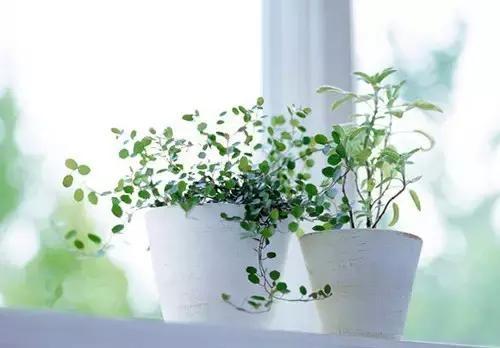
Experienced and careful flower enthusiasts have surely done a lot of analysis and summarising about the water used for watering flowers.
But there are also many flower enthusiasts whose principle for watering flowers is simply that it does not stop the flowers from growing and blooming. The result of this is that many flowers that were originally very thriving, after being kept for a period, grow taller and also bloom, but are just not as spirited as they were at the beginning.
Water quality, for people who grow flowers, is far more important than we imagine.
Today let us properly summarise and explore those easily overlooked basics about the water used for watering flowers.
The differences in water quality
Soft water and hard water
The softness or hardness of water refers to the concentration of metal ions such as calcium ions, magnesium ions and iron ions in the water.
Hard water refers to water containing a large amount of calcium and magnesium compounds, while soft water has a hardness below 8 degrees and basically contains no calcium or magnesium compounds.
Hard water does not have adverse effects on health, but it easily forms various deposits, and using it to water flowers will affect the soil. Therefore,soft water is most suitable for watering flowers。
Methods for telling soft water from hard water:
When boiling water, the more scale deposits on the container, the harder the water.
Heat the water, add soapy water, stir; the more foam, the softer the water, and the more scum, the harder the water.
Methods for turning hard water soft:
1. After the water is boiled, calcium bicarbonate and magnesium bicarbonate form precipitates that separate out, and the hardness decreases;
2. Put soda ash or lime into the water, let it stand until deposits appear in the water, then filter it to obtain soft water.
Acidic water and alkaline water
The acidity or alkalinity of water refers to the concentration and activity characteristics of hydrogen ions in the water.
Acidity and alkalinity can also be tested directly with PH test paper; greater than 7 is alkaline, less than 7 is acidic.
Neutral water or weakly acidic water is best for watering flowers.
There are also many flowers that like an alkaline environment, and they can suitably be watered with alkaline water. For example, cacti (Cactaceae), which like alkalinity, should not be watered with acidic water (such as tea water).
The salinity and alkalinity of water can change the salinity and alkalinity of the soil, thereby affecting the growth of flowers.
Methods for changing alkaline water:
Add an appropriate amount of acidic solution, such as boric acid or carbonic acid. A commonly used example is putting in vitamin C tablets.
The temperature of the water
The temperature of the water used for watering flowers, whether too high or too low, can easily cause local damage to the flowers; the most suitable temperature is comparable to room temperature. The difference is best kept under 5 degrees.
What kinds of water do we commonly use for watering flowers?
Tap water
To ensure the safety of tap water, chlorine dioxide is added to tap water, and residual hypochlorite ions and chloride ions remain in the water coming out of household pipes.
The residual chlorine is harmless to people, but it has a destructive effect on the growth of flowers.
The way to remove chlorine is to let it sit in the sun. However, note that the acidity and alkalinity of tap water is generally neutral; if it is left in the sun too long, organisms in the water reproduce rapidly and the acidity and alkalinity will change.
Well water
Well water belongs to yin water, and it is better to let it stand before use.
Well water is generally alkaline water (in coastal areas, where seawater intrusion occurs, it is especially alkaline).
Because commonly using alkaline water will make the soil saline-alkaline, which most flowers do not like, many flower enthusiasts believe that well water that has been used for washing and rinsing is actually better for watering flowers (detergent water and soapy water must be avoided).
River water
River water contains gases, colloidal substances, solid particles and plankton; as long as it is not polluted river water, it is generally suitable for watering flowers.
Overall, river water in rainy areas tends to be acidic, while river water in areas with little rain tends to be alkaline. When using it, you can observe and judge or test it, then decide whether it is suitable.
Rainwater
Rainwater is soft water, has a high content of nitrogen compounds and has a nitrogen fertiliser effect; it has a high gas content and is rich in activity, which benefits the soil; it has few metal ions and contains no salinity or alkalinity, so it causes little harm to flowers.
However, many cities have industrial pollution and exhaust gas pollution, and the trouble of smog is becoming more and more serious. Rainwater in such areas will contain harmful substances such as heavy metal pollutants, and is not suitable for watering flowers.
Others
Purified water and mineral water
Purified water has undergone strict disinfection procedures and lacks the nutrients and microorganisms that plants need, so it is not suitable for watering flowers.
Mineral water varies in acidity and alkalinity, and generally there is no problem using it to water flowers.
As for cost, it is better to give up using it.
Tea water
Tea water contains nitrogen, and watering flowers with it has the effect of supplementing nitrogen fertiliser; it tends to be alkaline.
Water from a fish tank
It contains rich nutrients and can make flowers better nourished.
Rice washing water
It contains rich nutrients and can promote the growth of flower leaves and brighten flower colours; it is best after being left to ferment.
Spoiled milk
After milk spoils and ferments, dilute it with plenty of water, and it is beneficial to the growth of flowers.
After reading this, do you have a better understanding of the differences in the water used for watering flowers?