How to treat rose gray mold? All the control methods are here
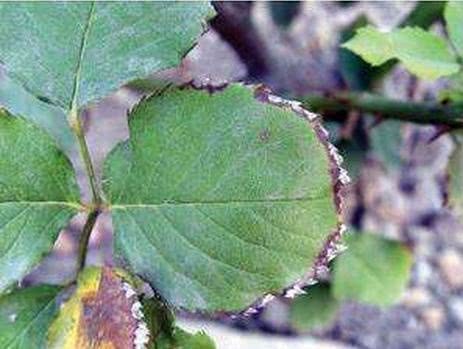
Gray mold is a common disease of roses. It is characterized by rapid onset and extremely fast spread. Once gray mold is detected, it should be dealt with immediately, otherwise it can easily infect a large area.
To treat it, you first need to target the right cause, so what symptoms appear when a rose gets gray mold? Actually, as the name suggests, when gray mold breaks out there is a layer of grayish-white stuff, a bit like the mold on spoiled food. At this point you can be sure it has been infected with gray mold.
Next, the leaves turn dark brown, as if scorched by the sun, and fall off at the slightest touch, while the leaf stems also turn dark brown. More seriously, the middle and lower parts of the branches turn grayish-brown and grow a layer of fuzz, and the leaves along the entire branch turn dark brown to varying degrees, grow fuzz, or fall off.
Flower buds are often the main part attacked by gray mold. At first you will notice that the outermost petals look a bit sunburned; this is a relatively mild symptom. Then you will find that the flower has not wilted but is drooping down. On closer inspection, you can see a layer of grayish-white fuzzy growth covering the petals, and the flower stalk also turns grayish-brown. If the pathogen continues to develop, the flower will become dry and withered.
One condition for gray mold to develop is low temperature, especially when the temperature is below 10 degrees, when the pathogen spreads very easily; the second condition is moisture, that is, when air humidity is too high. So if you water in cold weather and the water does not evaporate easily, the plant is very likely to catch this disease. Of course, in other seasons with high air humidity, the incidence rate is equally high.
The measure to prevent gray mold is to place potted plants in a ventilated, sunny spot as much as possible; sufficient sunlight helps water evaporate. Another measure is to prune the branches and leaves appropriately; branches and leaves that are too dense are bad for ventilation and also help bacteria breed, easily trapping moisture inside.
Although gray mold spreads quickly, it is relatively easy to treat. The most commonly used medicine for treating gray mold is procymidone (the name of this medicine even contains the word "mold," so it is easy to remember). Mix the concentration according to the instructions on the medicine packet (on the back). Simply spray the liquid on the moldy parts, and the pathogen can soon be killed; use it 3-4 times depending on the condition.