Detailed Explanation of the Planting Techniques and Methods for Roselle
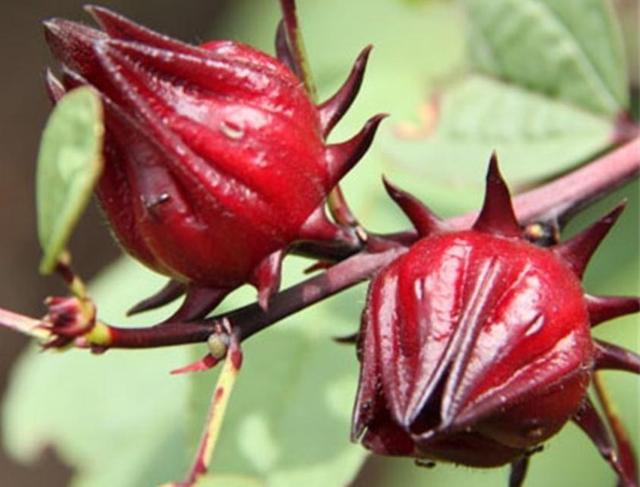
How to Plant Roselle: The Planting Techniques of Roselle
Roselle, also known as Luoshenhua, is an annual herbaceous plant of the genus Hibiscus in the Malvaceae family. The calyx of roselle is fleshy and juicy, and a natural food coloring can be extracted from it. The calyx of roselle can also be used medicinally; it is sour in taste and cold in nature, and has effects such as clearing heat and relieving summer heat, promoting diuresis and lowering blood pressure, nourishing the skin and fading spots, detoxifying, and relieving alcohol intoxication. Modern research shows that roselle contains chemical components such as flavonoids, protocatechuic acid, anthocyanins, isoflavones, and rich amino acids, vitamins, sugars, organic acids, and inorganic salts. It can lower cholesterol and triglycerides, inhibit the oxidation of low-density lipoprotein, inhibit platelet aggregation, reduce thrombus formation, and reduce atherosclerosis, and can effectively prevent the occurrence of cardiovascular diseases. In addition, roselle also has liver-protecting and anti-cancer effects. Therefore, roselle is a very good natural health-care medicine. Although roselle has high medicinal value and effects, due to the use of pesticides, chemical fertilizers, and herbicides, its quality is extremely poor and its yield is also relatively low.
1. Non-toxic treatment of the land: At the Autumn Equinox and within seven days after the Autumn Equinox, plow the field to be planted once and air-dry it for two months to reduce the concentration of some pesticides, chemical fertilizers, and herbicides, then evenly spray 12 liters of enzyme liquid per mu to nourish the field soil and decompose most of the pesticides, chemical fertilizers, and herbicides in the soil. After that, cover it with fresh rootless weeds until the next year's Awakening of Insects. Some of the weed seeds from the fresh weeds fall into the soil and begin to germinate and grow, restoring the soil ecology. At the Awakening of Insects, the newly grown weeds are shorter than 50 mm in length.
2. Cuttage: At the Awakening of Insects and within seven days after the Awakening of Insects, select strong roselle branches of 300 mm to 500 mm for cuttage. During cuttage, there is no need to water; simply cover the roots again with weeds. Complete the cuttage before the Spring Equinox. During the Spring Equinox, Qingming, and Grain Rain periods, rainfall provides natural irrigation.
3. Field management: Every month, cut off weeds that exceed 250 mm in height while keeping their roots, and place the cut weeds again over the roots of the plants and between the field ridges, so as to keep all the soil in the field covered with weeds; in arid areas or under special drought weather, irrigate once every two months.
4. Harvesting: After the Autumn Equinox, harvest the mature fruits, and by Light Snow, pick all the fruits, including immature fruits, to ensure that the plants have good nutrients for overwintering; in the second year, cut off weeds while keeping their roots once every four months, cutting off weeds that exceed 600 mm in height; under special drought weather, irrigate once; the enzyme liquid is prepared by mixing plants, water, and brown sugar in a weight ratio of 3.2:10:1, sealing and fermenting for 3 months, filtering and taking the liquid, and diluting the obtained liquid with 50 times the amount of water.