When succulents become severely leggy, beheading them and then giving them plenty of sunlight will help them recover quickly
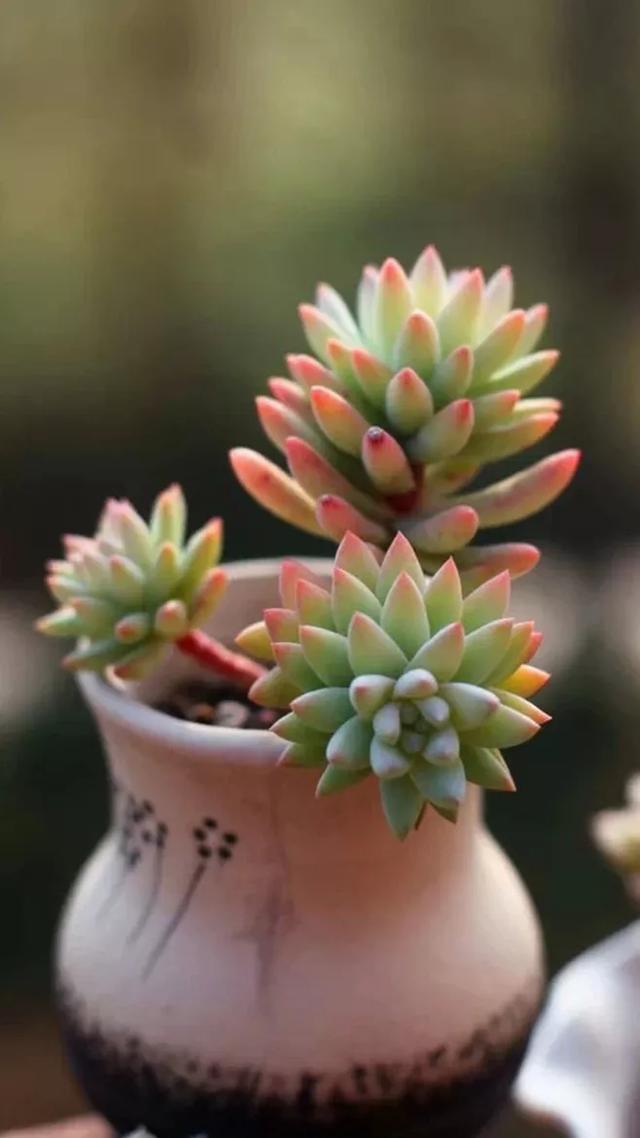
Succulents have captured the hearts of many flower lovers precisely because of their plump and cute appearance. If a succulent becomes leggy, it ruins that beauty, and this is a situation many succulent growers have encountered. So how do you solve this problem? Below we will discuss it in detail.
1. Lack of light and too much water
Generally, the main cause of leggy succulents is a lack of light combined with too much water. A lack of light easily leads to reduced photosynthesis in succulents, so water cannot be fully consumed, and nutrients and water accumulate in the stem area. This causes the stem to grow faster, resulting in the leggy growth of succulents.
2. Excess nutrients
If the soil has too many nutrients or the soil is compacted, it can also easily cause leggy growth in succulents. If the respiration of the succulent's root system is restricted, it can easily lead to leggy growth. If the problem is the soil, simply increasing light will not inhibit the leggy growth of succulents.
Succulents do not need very many nutrients and all grow relatively slowly. Too many nutrients instead tends to reduce a succulent's resistance, making it prone to pests and diseases, and making it more likely to become leggy than ordinary succulents.
Solutions for leggy succulents:
Beheading: Cut off the leggy part. Only by removing the terminal bud can the succulent produce more side buds, and the cut-off succulent can also be inserted into soil for propagation. Soon you will have a new pot of succulents.
Repotting: Repotting can solve soil compaction and nutrient deficiency. If the potting soil has poor air permeability, or has been used for a relatively long time, you need to consider repotting. Generally, succulent soil can be replaced after about one to two years of use.
Light: Succulents need to be placed in a spot with sufficient light for care. If there is not enough light, they will become leggy and then stretch toward the light, growing longer and longer.