Jasmine leaves growing like crazy but no flowers? Poor pruning is the main cause
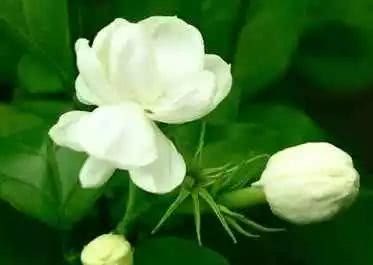
Jasmine is very suitable for planting in summer, with beautiful flowers and a pleasant fragrance. It is very suitable for home growing. But if you want to grow flowers well, gardeners still need to put in some effort. Here we will talk about the problems with jasmine.
Reasons jasmine does not bloom
Not pruning in time. Gardeners who like growing jasmine all know that if you want jasmine to bloom well, the most important thing is pruning. But many gardeners feel that jasmine has finally grown this tall, and cutting off any branch feels like too much of a pity. So this easily leads to unsatisfactory jasmine blooming.
There are generally two main pruning times for jasmine. The first pruning is usually the main pruning carried out during the dormant period and growing period of jasmine. It is now the growing period of jasmine. If jasmine is not pruned at this time, the branches of jasmine will grow wildly, and after jasmine blooms once, it will not bloom again in the original flowering spot. When pruning, first cut off some overgrown flowering branches, then cut off diseased branches and old branches, and promptly remove spent flowers to avoid loss of nutrients. Promptly remove old leaves.
Insufficient nutrients. The flowering period of jasmine is relatively long, and during the growing period it needs sufficient nutrients to promote flower bud differentiation. If the nutrient supply is insufficient, jasmine will also not bloom easily. Various fertilizers should be used in a balanced way at ordinary times. About once a week, you can apply a diluted cake fertilizer. Before the flowering period, apply some phosphorus and potassium fertilizer to promote flower bud differentiation and blooming. Calcium phosphate and bone meal are both fine. If you do not have them, applying some flower compound fertilizer is also a very good choice. During the growing period of jasmine, you can spray a 0.2% potassium dihydrogen phosphate solution on the leaves. This can promote flowering and encourage lush branches and leaves.
Insufficient sunlight. In addition to the problems mentioned above, light is also an important issue affecting jasmine flowering. Because jasmine prefers light, sufficient light can promote flower bud differentiation. But now many gardeners live in buildings, and the light is not enough, which easily leads to insufficient flowering of jasmine. So gardeners can let jasmine see more sun.
Soil and water problems. Jasmine likes acidic soil, but in the north the soil is mostly alkaline. Many northern gardeners use acidic flower soil when planting, but after growing for a period of time the soil will become alkaline. So gardeners can, about every two weeks, apply some 20% ferrous sulfate solution to jasmine to improve the soil's pH. In addition, there is overwatering. Overwatering easily causes root rot in jasmine and also affects flowering. If it is too dry, jasmine will grow poorly and naturally will not bloom. So gardeners can, according to the potting soil and weather conditions, water once in the morning and once in the evening.