In which season should landscape trees be pruned and shaped
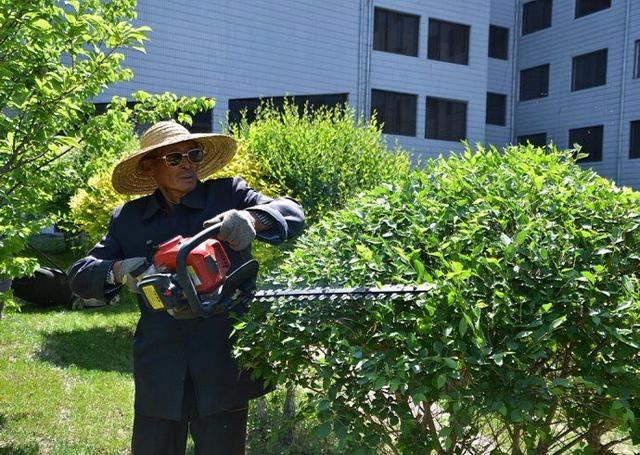
The season for pruning and shaping landscape trees
Pruning of landscape trees can be carried out at any time, for example, bud rubbing, pinching, sucker removal, branch pruning, etc. But sometimes, due to reasons such as tree bleeding, it is required to carry out pruning during the period when bleeding is minimal. The vast majority of trees are suitable for pruning in early spring and summer.
(1) Dormant season pruning
During the dormant period, the growth condition of the seedlings is poor, and growth sometimes pauses. A large part of the nutrients in the tree body returns to the roots, so nutrient loss after pruning is minimal, and after pruning, bacteria are also less likely to infect the wounds and cause rot, so the impact on tree growth is relatively small. Also, during the dormant period, most trees shed their leaves, making pruning clearer and reducing cleanup work.
For trees in cold northern regions, wounds after winter pruning are prone to frost damage, so pruning in early spring is most suitable. This work is generally carried out in early to mid-March, when the root activity of the trees is not yet very vigorous, nutrients have not yet been transported upward from the roots, nutrient loss can also be somewhat reduced, and the effect on the sprouting ability of flower buds and leaf buds is not very great. At the same time, this period is also the best time for renewal pruning of shrubs, including those shrubs that display their beautiful trunks in the next autumn and winter. There are also some trees that show sap bleeding when pruned in early spring, so it is suitable to prune them before the bleeding period. For this type of tree, heavy pruning is needed. Although the temporary ornamental effect is not ideal, a long-lasting ornamental effect will be obtained. If the plants are growing too crowded, with dense and weak branches, from a long-term perspective, they should be properly pruned in early spring.
(2) Growing season pruning (summer pruning)
Normally from April to October, summer pruning should be slightly lighter in intensity than pruning in early spring. Sucker branches and water sprouts can be cut off, mainly to ensure the plant maintains a good form. During this period, heavy pruning should be avoided, especially for plants with weaker growth vigor. To remove diseased branches, insect-damaged branches, and dead branches, autumn is the best time. However, if the pruning is too heavy, it will cause them to produce excessive autumn shoots. These new branches do not have enough time to fully develop before winter arrives, and once frost comes, they may suffer frost damage. For the pruning of other landscape trees, different shapes of pruning and shaping are carried out according to different functional requirements.