Grape frost protection techniques and potted growing methods, teaching you to eat grapes you grew yourself
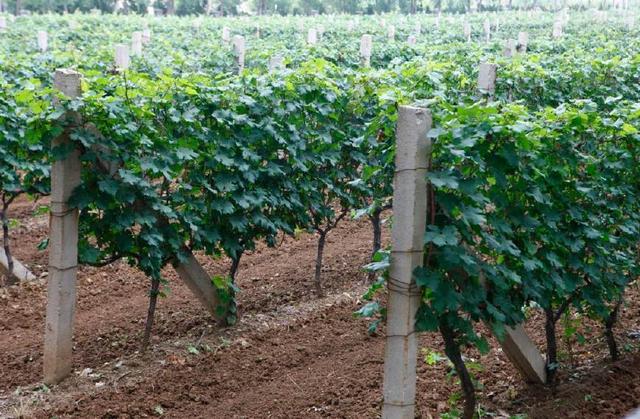
Take a look at grape frost protection techniques, plus how to grow potted grapes, so you can eat grapes you grew yourself
Hello everyone, today Xiaojiajia Breeding is here to meet you all again.
First, let's talk about frost protection for grapes.
When the air temperature at the grape's roots drops to minus six degrees Celsius, the roots will suffer frost damage.
After it drops to minus eight degrees, they will be completely frozen and ruined.
So when the grape's root system is dormant, it should be kept at a temperature above minus six degrees.
The first way to maintain this is to water with freeze-sealing water at the right time.
In winter, grapes need to be covered with cold-protection soil. Ten days before covering with cold-protection soil, water once with freeze-sealing water. The purpose is to prevent frost damage to the root system and also to prevent drought problems.
The second point to note is the location for taking soil, as well as the soil-taking trench when backfilling.
The cold-protection soil must be taken from both sides of the main pathway of the fruit trees, preferably beyond the main trunk. It must not be taken very close to the grape roots, as this will cause frost damage, and the grapevine will easily dry out.
After freeze-sealing is done, fill the soil trench with water, then let it freeze into ice. This not only reduces the thickness of the frozen soil but is also more beneficial for the root system to survive the winter.
There is also the matter of preventing cold damage in early spring.
In places with poor irrigation conditions, where watering is unfavorable, you can use some weeds or other frost-protection materials and place them over the soil trench to prevent the grapes from frost damage.
After winter sets in, some cracks will appear in the soil, and these cracks should be covered tightly in time.
By January or February of the following year, especially when the weather is particularly cold, pile some weeds, dry grass, and other cold-protection materials on top of the cold-protection soil to ensure the grape's temperature.
Grapes also need prevention and control of bird and insect pests.
Actually, when the grapes are about to ripen, the birds all come back.
The most effective method now is to use newspaper to make bags, and the grapevines can also be covered.
This way not only reduces the sun's damage to the grapes but also prevents infection by some pathogens. The paper bag method is relatively easy: use each large sheet of newspaper to make four paper bags.
Make them about 25 cm long and 20 cm wide, and you will also need about 7 cm of thin iron wire.
Sew one side of the paper bag with a sewing machine.
Fasten the bottom opening with a stapler or another method, then leave about 6 cm of ventilation holes on both sides.
If it is summer with relatively high temperatures and the orchard has relatively high humidity, you do not need to seal the bottom opening of the paper bag.
This enhances the grape's ability to release moisture.
When bagging is needed, it can be done once the grapes have grown to the size of soybean grains.
Before bagging, the grape berries should be tidied to prevent them from being too densely packed.
Spray some insecticide, etc. The bagging time is roughly from after the morning dew has just dried to before evening; during this time, the bagging work can be done.
However, note that at noon, if bagging must be done at noon, be sure to avoid the time when the temperature is highest and the places where sunlight is directly shining.
But the time for removing them should be decided according to the variety and the new market time.
When it is seven or ten days before picking, the bags can be removed.
But for varieties that mature relatively late, the bags can be removed in about 13 days.
After removing the bags, remove leaves and also prevent pests and diseases.
Before the grape buds sprout, spray about 80 times diluted Solibar, or spray three degrees Baume lime-sulfur mixture.
For orchards with severe occurrence of diseases such as young fruit rot, spread lime before the disaster occurs. Or under the grape trellis, spray carbendazim to control the sources of disease brought by the soil during overwintering.
Next, let's talk about the management methods for potted grapes.
Potted grapes should be placed on a sunny balcony. This is not only particularly beneficial for the grape's growth but can also beautify the room and provide shade.
The first step is to prepare the soil needed for the grape's growth and development. The soil for cultivating grapes should be relatively loose, with good drainage and relatively rich nutrients.
The soil mixing ratio should be: edible fungus sticks or decomposed sawdust at 40 percent, leaf mold or garden soil at 40 percent, and of course you can also use vegetable-leaf soil or mountain mud and stone at 10 percent.
Then add an appropriate amount of fertilizer and stir evenly.
In summer and autumn, it should be composted for more than 30 days; in spring and winter, the time should be doubled. Use it after it is fully decomposed.
Every year in spring, around the first ten days of March, the soil must be changed, replacing about 40 percent with old soil. Then pick out some old roots. According to the size of the pot, place about 200 grams of bone meal at the bottom of the pot, stir the soil evenly, then add a layer of nutrient soil, and move the grape back into the pot.
Finally, repair the grape trellis frame.
Be sure to note that the pot and soil must be changed every year.
Select some mother branches with a diameter of 1 to 2 cm and a length of about 40 to 50 cm, and thread the branch through the drainage hole at the bottom of the clay pot.
At a point 2 cm from the branch's bud node, perform girdling, then cover it with soil.
Fix the flower pot in midair with a support. Be sure to water frequently to keep the soil moist.
After about one month, roots begin to grow at the girdled area. After two months, cut the mother branch at the drainage hole of the flower pot.
After the fruit ripens, cut off the entire mother branch. Then you can get a fruiting grapevine with about four fruit clusters.
The biggest advantage of this layering propagation method is that it is carried out in March or April and can cultivate a fruiting tree.
Be sure to place the flower pot in a sunny position, and be sure to ensure sufficient light, guaranteeing more than 13 hours of sunlight per day, in a place with relatively good ventilation, to reduce the occurrence of pests and diseases.
When the high temperatures arrive from June to July, pay special attention to preventing and controlling the occurrence of insect pests.
To solve these problems, you can cover the grape fruit clusters with white plastic bags, and be sure to tie the bag opening tightly, and poke a few small holes at the bottom of the bag. This way you can not only prevent pests and diseases but also prevent some bird damage, and doing so can also make the grape skin relatively delicate and the fruit color better.
Alright, that's all today's Xiaojiajia Breeding has to share with everyone. See you tomorrow.