Bury this "trash" in the pot, and your pothos will grow glossy green and go wild, while your clivia will bloom twice a year
Among the master-level flower growers, you will notice that the pothos they grow has incredibly glossy green leaves, and their clivia plants have green leaves, bloom abundantly, and the flowers are strikingly vivid. So, let me ask, the fertilizer they use is generally homemade flower fertilizer. Master flower growers are all very good at making their own flower fertilizer, so let's learn about it today
Homemade flower fertilizer, in other words, means making some special fertilizer for flowers. Most of these homemade flower fertilizers come from "trash" in daily life. Turning waste into use benefits the flowers and the people too. So what kinds of trash are used?
The first type: eggshells
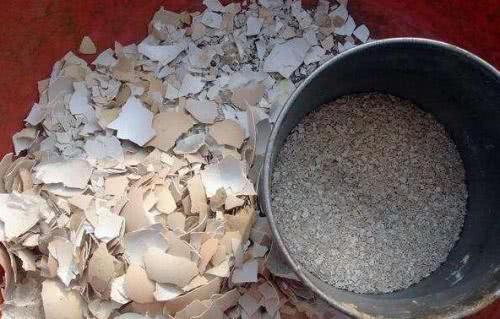
Eggshells contain a lot of nutrients because they contain calcium carbonate, which is very beneficial to plant growth. But using eggshells also requires skill. Many times, we see people placing eggshells upside down in flower pots. Actually, this method is not advisable. The correct method is:
1. Clean the eggshells, because if they are not clean, the eggshells can easily attract flies, and the summer weather is very hot, so the smell in the flower pot is very unpleasant. More seriously, if the egg white flows into the flower's roots, because it has not fermented, it can easily burn the roots.
2. Crush the eggshells, then put them in the sun for half a day. The purpose is to disinfect them. If the eggshells are not washed clean, they can easily breed bacteria and cause damage to the plants
3. Mix the crushed eggshells with the potting soil at a ratio of 1:5. This way, the potting soil will have plenty of nutrients, especially calcium, which is very beneficial to the growth of foliage plants. For example, pothos, spider plants, aloe, and so on can all use it
The second type: fish bones, chicken bones, etc.
Fish bones, chicken bones and the like are more suitable for growing flowers. Bones contain a large amount of phosphorus. Phosphorus is an essential element for maintaining evergreen leaves in plants. It can also turn yellow leaves green again. I do not know if flower lovers still remember. I suggest using monopotassium phosphate to grow some flowering potted plants, because it can promote flowering
The bones left over from meals at home are best not thrown away. Bring them all to feed the flowers. The flowers will be especially nourished after eating them, and yellow leaves and black leaf tips will all disappear
Using bones to grow flowers also requires sun exposure for disinfection, crushing, and then mixing them with potting soil, composting them for a period of time before use, and using them when repotting the flowers. Many friends say, is this not too troublesome, still needing to repot and change the soil? It does not matter. We can also bury the sun-dried and crushed bones into the flower pot. Keep them farther from the roots. If they are too close, they can easily burn the flowers
Clivia, which loves fertilizer, also especially likes waste oil
The third type: waste oil from the range hood
When cleaning the range hood, you will find that more and more waste oil accumulates over time, so many people who often clean it throw the waste oil away. But for people who grow flowers, this is a great flower fertilizer!
Can it really work? Of course. The nutrients in waste oil are actually no less than the nutrients contained in any fertilizer sold in the flower market. The waste oil from the range hood is fully mixed with peanut oil, olive oil, soybean oil, corn oil, and all the oils you have eaten. It contains a variety of nutrients
Waste oil basically does not need to be composted and can be used directly, but the amount should not be too much. First, pour the waste oil into a bottle. It can be a mineral water bottle. Then poke a few holes in the bottle cap. Dig a few holes around the edge of the flower pot and pour the waste oil in. Once or twice a month, just pour a few drops each time. Potted flowers all grow very vigorously after eating it.
Besides the "trash" flowers mentioned above, there are also leftover tea, yogurt, cooked soybean cake, and so on. With a little processing, they become excellent flower fertilizer. If you like growing flowers, you might as well give them a try
If you like growing flowers, please follow the official account: Balcony Garden Vegetable Garden. It is all about flower-growing knowledge and answers your flower-growing questions