Ginkgo bonsai production and care methods, simple and easy to learn
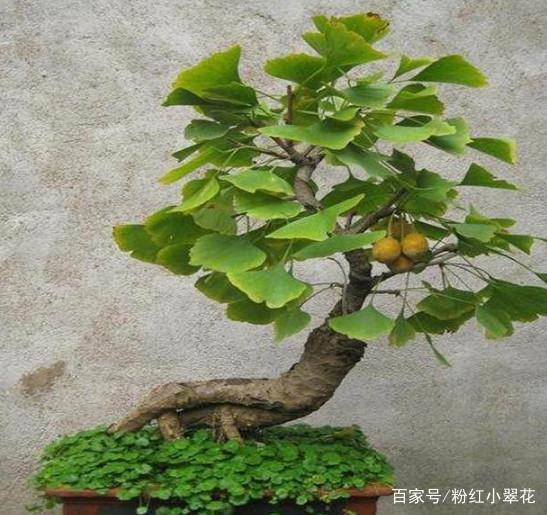
Ginkgo, other ginkgo, Gongsun tree, deciduous tree. Bark grayish brown, leaf shape fan-shaped, pistils different, occasionally seen on the same plant, flower bulbs, pistils have long stems, flowering time, fruit ripens in October. Ginkgo is a tree species tolerant of light, shade, cold and drought. 40 years of growth and growth requires more than 20 years. Ginkgo is a famous long-lived tree with strong vitality, unique leaf shape, and easy grafting and pruning. It is a good material for making bonsai. Ginkgo bonsai is the most important type among ginkgo trees, with high ornamental value and economic value. Ginkgo is a common tree species in Chinese bonsai. Ginkgo bonsai is dry, sticky, exposed, strange, grotesque and humorous. It is one of China's bonsai.
Choose one. Materials Ginkgo leaves are usually found in the fields, usually stopping between November and February, because the stumps do not sprout. First, cut off the excess branches on the top of the stump, stop the necessary cuts, and dig up the shortened branches. During excavation, care should be taken to cut off the taproot to promote the survival of multiple lateral roots. The roots should grow more soil balls. After excavation, the roots should be cut. As shown in Figure 3-19, ginkgo root bonsai. You can also buy ginkgo tree stumps in the market. When purchasing, pay attention to whether the stump has pests or diseases, whether there are signs of water loss, whether the buds are plump, and whether the roots are fresh.
2. Bonsai Ginkgo is a plant that is resistant to wrinkling, resistant to wrinkling, easy to form, and can be made into many kinds of plants. Upright dry trees are stable, short, sturdy, and the forest is full of wild charm. Common types of ginkgo include trunk bonsai, slanting trunk type and forest type. (1) Ugly ginkgo branches and branches are long and sturdy, only the trunk has a little ornamental value, so the fighting power is appropriate and ugly. When pruning long branches, first observe the position of the branches, and cut off the branches and staggered branches. (2) Cut off excess branches and prune the necessary outer branches. If the outer branches cannot be clearly cut, you can first tie the wire, and then prune before pruning.
Three. Bonsai protection The construction of ginkgo bonsai should be kept in a sunny and well-ventilated place. In summer, it is necessary to suppress drought and exposure, and prevent frozen soil in winter. During the growing season, keep the potted soil moist, and apply cake fertilizer or farm fertilizer every week. In the basin soil, the best nutrient soil should be selected, and sand and bran powder should be added appropriately. Replace the pot every two years, change the pot, prune the long root system, replace half of the old soil, and the basic fertilizer at the bottom. Ginkgo bonsai grows slowly, has low disease resistance, and maintenance management is relatively simple. Kyrgyzstan Huayao