Growing flowers that fill the whole balcony, all because Grandma used this
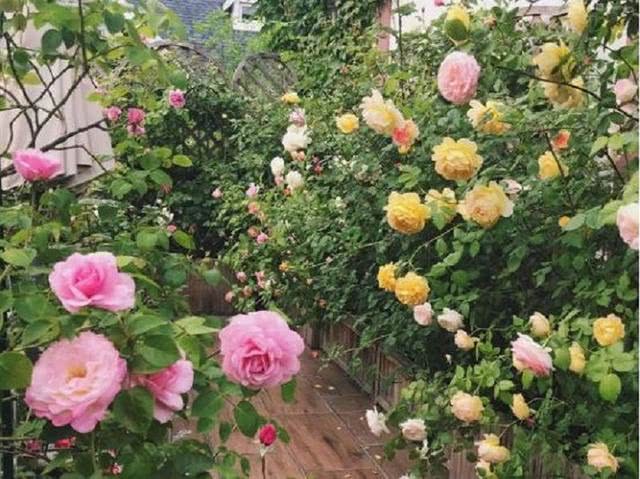
When I was little, Grandma often collected the soybeans at home, and at the time I had no idea where those soybeans ended up, until later when I looked up information and discovered that soybeans are actually a highly effective flower fertilizer. But as for exactly how to turn soybeans into flower fertilizer, the various sources never explained it in detail. When I went back to my hometown at the start of this year, I made a point of asking Grandma about the exact method, so today let me share it with you all.
What kind of soybeans can be used as flower fertilizer?
This question is simple: any household soybeans will do, including ones that have already gone moldy and spoiled. In fact, we encourage growers even more to use soybeans at home that are no longer fit to eat to make flower fertilizer. Doing so also counts as turning waste into treasure. We do not recommend newly bought soybeans here, since that is a bit wasteful, and there are plenty of substitutes anyway, so there is no need to buy new ones just to make flower fertilizer.
So how exactly do you use soybeans to make flower fertilizer?
Turning soybeans into flower fertilizer mainly goes in two directions: "bean fertilizer" and "liquid fertilizer", and both require soaking the soybeans in warm water for several hours first. This step cannot be skipped; you could say whether it succeeds is crucial to whether the whole soybean flower fertilizer can be made.
If we want to make bean fertilizer for direct use, we can continue by cooking the soybeans that have been soaked for several hours. Once the cooked soybeans are drained of water, they become the bean fertilizer we can use, and the way to apply it is also very simple: dig a few small holes around the edge of the flower pot, and note that these holes should preferably be kept away from the plant's roots. After digging them, put a few cooked soybeans in each, then cover with soil and water thoroughly once. Note that the amount of soybeans in each small hole should not be too much, to prevent burning the roots.
Making liquid fertilizer takes a relatively longer time. After we finish soaking the soybeans, drain the water and take the soybeans out directly; at this point the soybeans will have become soft, so crush them with a spoon, then take a bottle with a lid, pour the crushed soybeans and water into it together and seal it. However, note here that we do not need to seal it too tightly; it is best to leave a little gap, and the reason for doing this is to prevent the bottle from bursting during the soybean fermentation process.
Keep it in this state for about one month, and our liquid fertilizer is ready. However, at this point the liquid fertilizer is best diluted before being used to water flowers, and it absolutely must not be splashed on the leaves. But I should make it clear to everyone in advance that the smell of soybean fermented liquid fertilizer is really not very pleasant. If you use it at home, it is best to also put it on the balcony for ventilation, so that at least it will not be so uncomfortable on the nose.