Fertilizing roses is not simple - ignore these points and you will kill every plant you grow
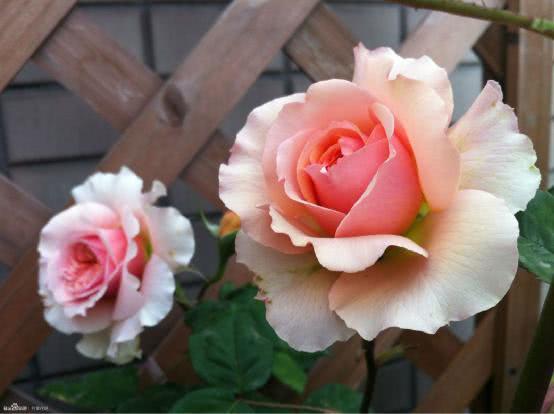
The rose is an ornamental flower we are all very familiar with and love, especially in summer, when seeing pot after pot of roses in full bloom, many growers cannot help but give a thumbs up. The rose is beautiful, but it must be said that it also belongs to the difficult-to-grow category, especially when it comes to fertilizing - even a slight slip-up can have a very serious impact on the flowering and growth of roses. So what fertilizer should be used for rose growth, what signs indicate it is time to fertilize, and how exactly should you fertilize? If you happen to have these questions too, then today's article will certainly satisfy you. Let's take a look together!
Whether to fertilize or not - just one glance
The rose is truly a flower species that needs a constant supply of fertilizer, so how do you judge whether a pot of roses needs fertilizing? If you have no prior experience, then a simple and efficient method may suit you - observation with your eyes. Simply put, if your roses at a glance have bright, full blooms, glossy green leaves, and moist, fertile potting soil, then there is no doubt they do not need fertilizing. But if your roses look shrunken, with scorched yellow leaves and a listless appearance, and you have already ruled out factors such as lack of water or lack of light, then it is time to replenish nutrients promptly.
How exactly should you fertilize?
We have already explained this question to growers many times before - "apply thin fertilizer frequently" is the most crucial point! A single excessive application of fertilizer makes it hard for the rose roots to fully absorb all these nutrients, and in severe cases it may cause root burn. And if you fertilize too few times with too long an interval between two applications, then the plant will still remain in a rather "hungry" state and naturally will not grow vigorously.
Of course, besides this principle, fertilization must be done during a period when the soil is dry. You can stop watering for a few days before the estimated fertilization time to let the soil dry out completely. And after we finish fertilizing, we must give the roses a thorough watering the next day - doing so helps the roots absorb nutrients. Potted roses are mostly fertilized with organic fertilizers, which must be fully decomposed before use.
In addition to all the above, a deficiency of certain trace elements can also have a certain adverse effect on the roses themselves. For example, if roses lack nitrogen, the plant may grow poorly and the leaves take on a yellow-green color; if potassium is lacking, the specific symptoms are spots on the leaves often accompanied by wilting; if magnesium is lacking, the leaf veins turn yellow; and if calcium is lacking, the young leaves curl. In short, deficiencies of different trace elements produce different symptoms, but fortunately their treatment methods are also very simple - just treat the specific problem.