8 water-loving flowers that perk up the more you water them, bursting with lush leaves and blooms in summer
Summer is here, and how to water flowers in the right amount has become a headache for gardening fans. Water too little and the flowers droop listlessly; water too much and you worry about waterlogged roots rotting, and before you know it the plant is dead! So frustrating!
Today I'll recommend a few water-loving flowers that don't mind however you water them! Let's take a look.
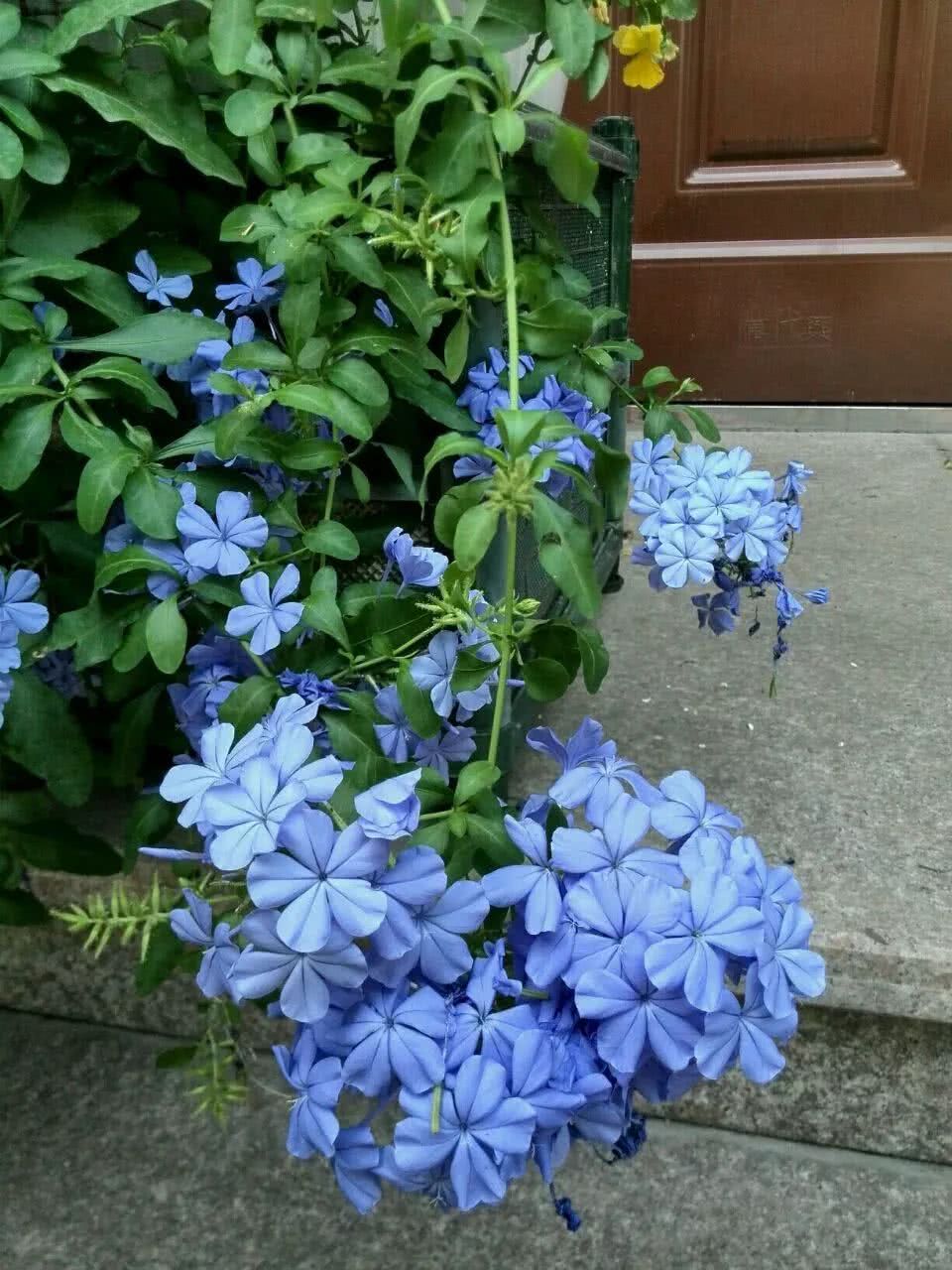
Blue Plumbago
Blue plumbago (Plumbago auriculata) is a summer flower, both cooling and dewy, pretty and easy to grow. Getting one pot for summer is really a great choice!
Care tips:
1. Blue plumbago absolutely loves water. Normally, water it once a day. If the temperature exceeds 30°C, it's best to water it an extra time or two a day, once in the morning and once in the evening, depending on the situation.
2. If it's short on fertilizer, you can spray a little monopotassium phosphate solution on it, and place it somewhere with good light, whether a south-facing balcony or a windowsill, so blue plumbago is even more likely to burst into a full pot of blooms!
Notes:
If you notice blue plumbago looking droopy and listless, you should wonder whether you forgot to water it! Then first move it to a cool, ventilated place, water it thoroughly, and once you see the branches and leaves slowly recovering, put it back on the balcony to bask in the sun.
Bowl Lotus
Bowl lotus is planted in muddy water; without water it's hopeless. When it comes to water-loving flowers, it fits the bill best!
Care tips:
1. Although bowl lotus likes water, too much water easily causes leaf rot. You can't just fill it up with water all at once; that's wrong. You should water less in the early sowing stage and gradually increase it as it grows.
2. Prune appropriately. Once bowl lotus is well cared for, its leaves will become densely packed, which easily leads to yellow and withered leaves. So prune in the right amount, not only to keep the plant's shape attractive, but also so the bowl lotus can breathe freely, which helps the plant grow sturdy and encourages blooming!
Notes:
If you find the bowl lotus leaves wilting, quickly add clean water and check, and remove the withered and yellowed leaves to preserve nutrients. Watch how it looks after watering; as long as the new leaves floating on the water surface stay glossy green and intact, there's nothing to worry about, and it can still grow normally.
Pennywort
Pennywort (Hydrocotyle vulgaris) is a very easy plant to grow, quietly growing bigger on its own. Even a plant killer can grow a pot of lush green pennywort!
Notes:
1. Pennywort likes water and also likes sun. In summer when temperatures are high, watering it once or twice a day is fine. Just make sure there's good ventilation and light, and pennywort will grow more and more vigorously!
2. When fertilizing, you can dissolve two or three granules of compound fertilizer in water and pour it in, so the pennywort leaves will grow bigger and bigger, quickly overtaking a coin!
Notes:
Once pennywort lacks water, its stems will wilt. At this point, water it thoroughly once and it will slowly recover. If the stems have already wilted to the point where they can't stand up, then be ruthless and cut off all the wilted stems, and just let it grow new leaves again.
Monstera
Because monstera (Monstera deliciosa) has broad leaves and summer temperatures are high with a lot of evaporation, you need to water it in time to ensure its normal growth needs.
Care tips:
1. For summer watering, you can water once a day, preferably in the evening. If the temperature is above 35°C, you can water once in the morning and once in the evening.
2. In summer, keep it indoors, ideally in a spot with indirect light on the balcony. Apply homemade compost water or cake fertilizer water once every half month, using thin fertilizer sparingly, so monstera's leaves will become shinier and shinier!
Notes:
When severely short of water, monstera's leaves will droop straight down. At this point, water it thoroughly and put it in a cool place until the leaves recover. Once the leaves perk up again, put it back in a spot with indirect light.
Mint
Growing a few pots of cool mint in summer is just perfect! Mint is fresh and cooling, and you can even pick a leaf to brew tea, clearing heat and reducing internal fire. Or stick a few leaves on your forehead and cheeks to cool down instantly, a rare cooling patch!
Care tips:
1. Mint likes moisture, and in a moist environment it grows very fast. If there's good sunlight and ventilation, watering it once every one or two days is fine. Be careful not to let water accumulate, otherwise the roots easily rot.
2. If you want mint to fill its pot quickly, during its growing season you can pinch off the growing tips. When it reaches the ideal height, promptly remove the terminal buds to encourage side shoots. That way it will fill the pot!
Notes:
In summer when temperatures are high, if you forget to water mint, its leaves will turn dull and lusterless and begin to droop and wilt. At this point, water it thoroughly once, and it's fine even if water seeps out of the potting soil. Once the leaves perk up, just pour off the excess water.
Acorus
Summer is the peak growing season for acorus (Acorus gramineus). You can keep one or two pots at home; dig a few plants by a riverside wetland and make a bonsai with them. It looks elegant and cooling at home, with simple joys shining through.
Care tips:
1. Acorus likes water, but when watering, don't pour it on the leaves, and even more so don't spray the leaf surfaces directly, as this easily causes the leaves to rot. You can water along the edge of the pot, or pour it onto bare soil, either is fine.
2. In summer, watering once every one or two days is fine. If the temperature is too high, you can appropriately add one more watering, depending on how short of water it is. Be sure to keep it well ventilated, and don't let waterlogging smother the roots.
Notes:
If it goes without water for a long time, acorus leaves will dry at the tips and curl. At this point, water it thoroughly once and place it in a cool, ventilated spot, and it will quickly recover.
Gardenia
When gardenia blooms in summer, its rich fragrance brings a touch of coolness to the muggy environment. I believe many gardening fans are growing it. Gardenia also counts as a water-loving flower, and in summer you need to water it a bit more appropriately.
Care tips:
1. In summer when temperatures are high, watering it once every one or two days is fine. You can also use a spray bottle, misting the leaves and around the flowerpot morning and evening to ensure enough air humidity.
2. After gardenia finishes blooming, prune it in time, cutting off spent flowers, spent stems, weak branches and leggy branches, to avoid unnecessary nutrient consumption and store up energy, so gardenia grows more vigorously!
Notes:
If gardenia is severely short of water, its leaves will curl and go limp. Then quickly water it thoroughly once, and it's fine even if water seeps out of the potting soil. Let gardenia slowly recover. If it truly can't recover, you'll just have to try changing the soil.
Maidenhair Fern
Care tips:
1. Maidenhair fern (Adiantum) likes a high-humidity environment. Many gardening fans put it by the bathroom window, which is both entertaining and pleasing to the eye, very nice! In summer, watering it once a day is also fine.
2. If you want maidenhair fern's leaves to be greener, you can also spray a little monopotassium phosphate solution on the leaves, but control the concentration well.
Notes:
If the air humidity isn't enough, or you forget to water for a long time, maidenhair fern's leaves will wilt, drooping their heads listlessly. At this point, water it thoroughly once, and you can also spray the leaves all over, then place it in a cool, ventilated spot, and it will quickly recover!
Welcome to follow Balcony Garden Vegetable Patch, with flower-growing videos and knowledge updated daily. If you also like growing flowers, please help by sharing and supporting. Buyan thanks everyone here!