Flower-growing beginners: learn these small watering tips and your home flowers will thrive and fill their pots
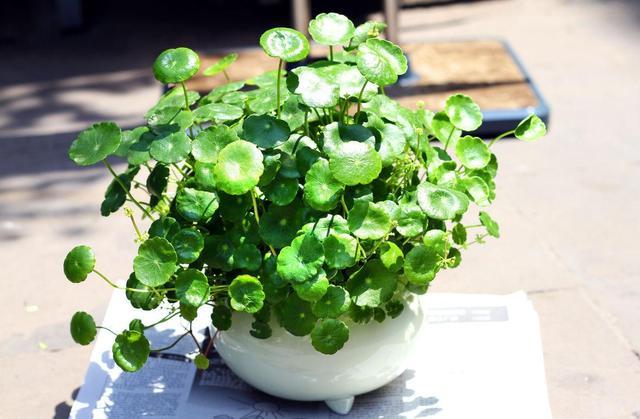
More and more people like growing some flowers and plants at home, and the hardest part of growing flowers and plants is watering. Give them too much water and the plant roots will rot, or even die outright; if you water the plants too little, the leaves will turn yellow and drop off, and the plants will also die outright. So below, let's explain how to water plants. If you don't know how, hurry up and learn!
How to tell if a plant is short of water
If you water plants frequently, it is very bad for their growth, but relatively speaking, letting them go a little dry for a few days is still acceptable. The most correct way to water is to follow the principle of "don't water until dry, and when you water, water thoroughly."
But beginner growers don't know how to tell whether the soil is dry. In fact, you can look at the color of the soil surface. If the color is very light, it means the plant is short of water, and you can water it thoroughly. If the soil color is darker, it means the soil is fairly moist and does not need watering.
What time is best for watering
The watering time differs with the season. When the temperature is higher in summer, you can water plants in the morning or in the evening. Watering at noon is strictly forbidden, because it easily damages the plant roots and is bad for plant growth. You can also spray some clean water around the plants to lower the temperature.
The temperatures in spring and autumn are suitable and fairly good for plant growth, so you can water plants at any time, though it is still best not to water them at night. In winter, the temperature is relatively low, so it is most suitable to water plants at noon when the temperature is higher.
What kind of water is most suitable for watering plants
When watering plants, it is best to use rainwater or river water, but for people growing plants in cities this is very hard to do, and they basically use tap water to water plants. Before using tap water for watering, it needs to be left to stand for a few days so the nitrogen in the water evaporates, and then it can be used to water plants. You can also use some fermented rice-washing water to water plants, which can also add nutrients to the soil and let the plants grow better.