Petunias rely on timely pruning for a explosion of blooms, otherwise the branches and leaves tend to grow leggy
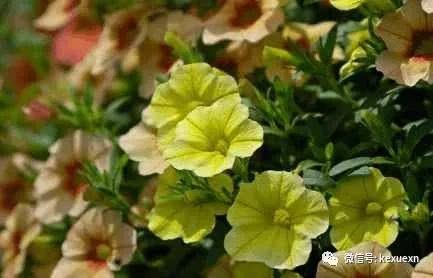
Petunias have become very popular in recent years, whether used as landscaping flowers or grown at home for ornamental purposes, they look excellent. Petunias are also relatively easy to grow, produce abundant flowers, and have a fairly long blooming period, making them very suitable for planting. However, if not cared for properly, they are also very prone to leggy growth and failure to bloom. Here, Xiaonong will chat with everyone about the issues related to petunias.
1. The habits of petunias
The first step to growing petunias well is naturally to clearly understand their growth habits. Petunias prefer a warm and humid growing environment and have relatively poor cold tolerance, but they can withstand high temperatures in summer. Their water demand is relatively high in summer, and the potting soil must be kept moist, otherwise the leaves are prone to wilting. Petunias prefer a growing environment with ample light, so pay attention to maintaining sufficient light on a regular basis.
2. How to make petunias burst with blooms?
Friends who enjoy growing petunias all know that petunias are very prone to leggy growth. When petunias grow leggy, it affects blooming, and naturally they will not look very attractive either. First of all, petunias must be given sufficient light, otherwise leggy growth easily occurs. Petunias prefer long daylight hours, so you should ensure about six hours of light per day, which is the only way to reduce the occurrence of leggy growth.
Next, pay attention to pinching the tops of petunias. Petunias grow relatively fast, and if you do not pinch the tops, it is very easy for petunias to keep growing taller while producing very few flower buds. Generally, when petunias have grown to about eight cm, you begin the first pinching. The method of pinching is to cut off the two leaves at the top of the petunia, which can promote flower branch differentiation and produce more flower branches. After pinching, remember to apply some fertilizer to the petunias to promote growth. Then after about two more weeks, carry out the second pinching using a method similar to the first. Also remember to apply additional fertilizer. In addition, because petunias bloom relatively early, if you want petunias to form a dense, clustered effect, you must be ruthless and cut off the flower buds that grow out early. This promotes a growth state in which the flower buds open together.
In addition, during daily care, pay attention to keeping the soil moist. In summer, generally watering twice a day is enough, once in the morning and once in the evening. When there is a lot of rain, pay attention to draining water from petunias in time to avoid root rot. Ensure sufficient light every day. Keep the growing environment ventilated and airy to reduce the occurrence of pests and diseases.