Women with poor ovarian health are prone to premature aging; eating more of this fruit can also treat insomnia
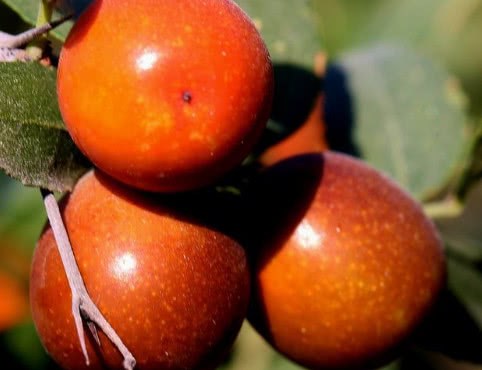
Sour jujube has very high nutritional value and also has medicinal value. As a food, sour jujube is eaten for its flesh, while the seed kernel is also used in traditional Chinese medicine, such as the sour jujube of Jiangsu Changmei Flowers; it is relatively common in the wild on the Taihang Mountains. Main indications: it has the effects of tonifying the liver, calming the heart, reducing sweating, and promoting body fluid production; it mainly treats deficiency restlessness and insomnia, palpitations and frequent dreaming, general weakness with excessive sweating, and thirst due to deficient body fluids, among other conditions. It has a calming and spirit-quieting effect and the function of tonifying the liver and gallbladder and calming the heart while reducing sweating. Sour jujube seed calms the spirit, nourishes the heart, and reduces sweating. Experiments have shown that it inhibits the central nervous system and has sedative and hypnotic effects. In treating insomnia with sour jujube seed decoction and powder, the results showed a certain short-term sedative and sleep-inducing effect. Clinically, using sour jujube seed can achieve relatively significant and ideal results for both mild and severe insomnia.
Sour jujube is rich in vitamin C and vitamin E, can supplement the nutrients the human body needs, and can also play a role in ovarian care, beautifying the skin, and anti-aging. The "suan ye tong" and rutin extracted from sour jujube leaves are good medicines for treating coronary heart disease. Sour jujube leaves are rich in protein, minerals such as calcium, phosphorus, and iron, as well as a variety of vitamins, such as vitamin B1, vitamin B2, vitamin C, and other rich medicinal components such as triterpenoid acids, chlorogenic acid, and flavonoid compounds.
Everyone knows dragon fruit, and surely everyone loves to eat it. Dragon fruit is a tropical fruit and is best eaten fresh right after purchase. At a low temperature of 5°C-9°C, freshly picked dragon fruit, if not squeezed or bumped, can be stored for more than one month. At room temperature of 25°C-30°C, the shelf life can exceed 2 weeks. Dragon fruit is not only sweet and fragrant, but also has very high nutritional value. It combines the advantages of fruit, flower buds, vegetables, and medicine in one. It is not only rich in nutrients and unique in function, but also rarely suffers from pests and diseases and can grow normally with almost no pesticides. Therefore, dragon fruit is a green, environmentally friendly fruit and a health-nutrition food with certain curative effects.
Dragon fruit contains a relatively high amount of anthocyanins, especially in red-fleshed varieties. Anthocyanin is an antioxidant with obvious effects, can effectively prevent vascular hardening, and thereby can prevent heart attacks and cerebral stroke caused by blood clot formation; it can also fight free radicals and effectively resist aging and cancer, among other effects. It also contains large amounts of anthocyanins, vitamins, and so on, which can protect women's ovaries and prevent gynecological diseases.; it can also improve prevention of brain cell degeneration and inhibit the occurrence of dementia. Dragon fruit is rich in vitamin C, which whitens the skin, and in abundant water-soluble dietary fiber, which helps with weight loss, lowers blood sugar, moistens the intestines, and prevents colorectal cancer.