What are the methods for preventing and controlling pomegranate fruit cracking?
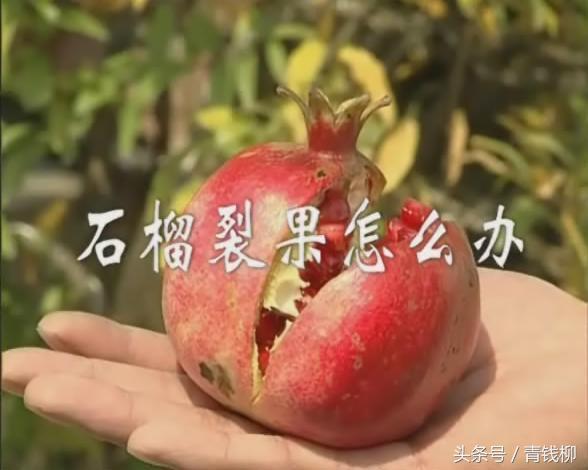
How do you prevent and control pomegranate fruit cracking?
Fruit cracking is a prominent problem commonly found in pomegranate production. It can occur from the young fruit stage to the mature stage, and is especially serious in the 10-15 days before harvest. In mild years, the cracking rate is generally 3%-9%, and in severe years it reaches as high as 30%-75%; after the fruit cracks, it is prone to rotting, cannot be kept fresh for storage, and its commercial and edible value is reduced or lost, causing major economic losses. The prevention measures are as follows:
1. Reasonable pruning.The purpose is to improve ventilation and light conditions in the orchard through pruning, promote coloring, and prevent fruit cracking. During winter pruning, thin out or cut back some of the larger crossing branches and overlapping branches, adjust the subordinate relationships among the scaffold branches at all levels, and thin out and cut back densely growing fruiting branches and weak, drooping branches on the periphery; summer pruning mainly consists of bud removal, pinching, and branch pruning. Remove useless dense shoots and buds early, promptly thin out useless water sprouts, and for branches with space, pinch or twist the tips so they transform into fruiting branches.
2. Orchard mulching.In the early stage of fruit growth, covering the tree basin with plastic film or crop straw helps maintain soil moisture, prevents the orchard floor from compacting, and reduces pomegranate fruit cracking. In addition, interplanting green manure, beans, or other short-stalk economic crops in the pomegranate orchard has the same effect.
3. Reasonable irrigation.Pomegranate irrigation should follow the principles of small amounts, balance, multiple applications, and appropriate control. In production, generally during the rapid growth or swelling stage of young fruit, irrigate once every 10-15 days; as the rainy season approaches, gradually increase the number of irrigations, and spray the tree canopy with water once every 7-10 days to increase air humidity in the orchard, moisten the fruit skin, enhance the fruit skin's adaptability to continuous rainy and high-humidity conditions, and prevent fruit cracking; before the fruit is about to mature, stop watering.
4. Reasonable fertilization.For fertilizing pomegranate trees, organic fertilizer should be the main component, with adequate phosphorus and potassium fertilizer applied according to a formula, and as little nitrogen fertilizer as possible. During the fruit expansion stage, foliar spraying with a 0.3% potassium dihydrogen phosphate solution or a 0.5% calcium chloride solution helps strengthen the fruit skin's toughness and prevent fruit cracking.
5. Reasonable chemical control.In the middle and late stages of pomegranate fruit development, spraying the fruit surface with a 25 mg/L gibberellin solution can reduce fruit cracking by 30%. In addition, attaching adhesive plaster strips soaked in a 10-30 mg/L gibberellin solution to the calyx depression of pomegranate fruit, or spraying a 0.3% paclobutrazol solution or a 20-25 mg/kg ethephon solution, also has the effect of reducing or preventing fruit cracking.
6. Fruit bagging.This is generally done during the young fruit stage and also helps prevent disease, insects, and fruit cracking. Bagging has a certain buffering effect against drastic changes in temperature and humidity, can protect the fruit skin, reduce sunburn damage to the fruit skin during dry periods and damage to fruit skin toughness from sustained high humidity, thereby preventing fruit cracking. In addition, fruit-boring pests should be controlled in a timely manner.