Detailed Explanation of Tangerine Peel Mandarin Orange Cultivation Techniques and Management Methods
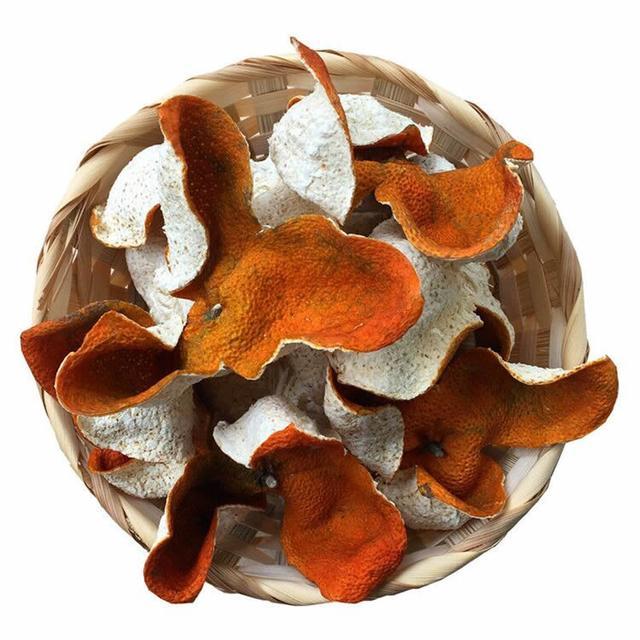
Tangerine Peel Mandarin Orange Cultivation Techniques
Chenpi, also known as: orange peel, guilao, red peel, yellow orange peel, Guang orange peel, Xinhui peel, mandarin peel, Guang chenpi. It is the mature fruit peel of plants of the Rutaceae family, Citrus reticulata and its cultivated varieties. Even though they are all citrus peels, why is Xinhui chenpi so precious?
It turns out that chenpi medicinal material is divided into "chenpi" and "Guang chenpi." The tangerine peel mandarin orange is treasured in every part; from tangerine leaves, tangerine flowers, tangerine embryos, small green fruits to tangerine flesh, tangerine seeds, and more, all have corresponding medicinal value. The tangerine is an evergreen small tree or shrub, cultivated in hilly areas, low mountain zones, along rivers and lakes, or on plains. It is distributed throughout the regions south of the Yangtze River. When the fruit matures from October to December, the fruit is picked, the peel removed, and dried in the shade or by ventilation. When removing the peel of Guang chenpi, it is usually cut into 3 to 4 segments.
In recent years, South China, Hong Kong, China, Macao, China, Taiwan, China, the United States, Canada
, Southeast Asia, and other countries and regions have gradually seen a rise in the folk trend of collecting chenpi. In 1999, the purchase price of chenpi was 5 yuan/kg, and not long after it sold for 10-20 yuan/kg. By 2010, chenpi prices began to soar, and to this day they have remained high; last year the purchase price of new peel already reached 90-100 yuan/kg. Based on this year's purchase price of Xinhui mandarin oranges, the price of new peel from Dahong mandarin oranges (at 16-20 yuan/kg)reached 160-200 yuan/kg, a year-on-year increase of nearly half. Nowadays, some areas in Guangxi have also begun to plant tangerine peel mandarin oranges. A chenpi grower in Xiaojiang Town, Pubei County, Guangxi, said that the value of chenpi is currently expanding continuously, from the original medicinal use to food (seasoning), health food, and other product production, which has led some enterprises and individual funds to gradually expand investment in the chenpi industry. Moreover, bosses from the Pearl River Delta region such as Guangzhou, Foshan, Dongguan, Zhongshan, and the Jiangmen area itself have entered the collection field one after another, driving the collection market; in addition, export volume has increased, which has also stimulated the rise in Xinhui chenpi prices to a certain extent.
Tangerine Peel Mandarin Orange Cultivation Techniques
(1) Strains and seedlings.
1. Strains: the large-seed oily-body strain and small-seed oily-body strain of Chazhi mandarin; 2. Rootstocks: red lemon, Jiangxi red tangerine, soft-branch sour tangerine;
3. Seedling propagation: grafting techniques are used to propagate seedlings.
(2) Site conditions.
Groundwater depth above 0.7 m, irrigable paddy field or sloping land; soil types are hydromorphic paddy soil and lateritic red soil; soil organic matter content >= 2.0 g/kg; soil pH 5.0-7.0, and the thickness of the active soil layer should preferably be above 60 cm.
(3) Cultivation management.
1. Planting time: spring planting (from the Beginning of Spring to the Beginning of Summer) or autumn planting (from White Dew to Cold Dew). In reclaimed polder areas affected by saltwater tides and in years with spring drought, it is suitable to plant before the rainy season arrives in May-June.
2. Planting density: no more than 1200 plants per hectare.
3. Orchard establishment: the previous crop before building a new orchard cannot be citrus. For paddy field planting, deep furrows and high beds, and high-mound planting are required; the area of an independently built orchard shall not exceed 3 hectares, with an independent irrigation and drainage system; each bed is equipped with a small ditch 0.6-1.2 m wide, and the large and small ditches are connected, allowing both irrigation and drainage; for sloping land planting, low beds and low-mound planting are required.
4. Soil management: mainly improve the soil with organic fertilizer and imported soil. Each year after the summer and autumn shoots mature, before new buds sprout or after fruit harvest, carry out 1-2 shallow tillages, and apply lime 1-2 times per year.
5. Fertilization: bury organic fertilizer every year in the first lunar month, May, and September; the annual application of pure chicken manure per hectare shall be no less than 1200 kg; for a plant producing 100 kg of fruit, apply 0.8-1.0 kg of pure nitrogen per year. The ratio of nitrogen, phosphorus, and potassium is 1:(0.3-0.4):(0.8-1.0) [Jishan Huayao].
6. Training and pruning: adopt the natural open-center tree shape. Keep the orchard well ventilated and well lit, with a leaf-to-fruit ratio of no less than 60:1.
(4) Fruit harvesting.
Harvest in batches; harvest one batch as soon as it matures.