There really are quite a few benefits to regularly cleaning indoor potted plants
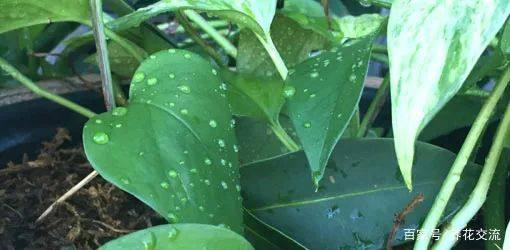
Regularly cleaning the plants in your home is very important. After being kept indoors for a while, indoor plants pick up a lot of dust. Besides watering them regularly, you also need to keep the leaves and stems clean, so they can do a better job of purifying the air and removing harmful gases from the room more effectively
After the weather warms up in spring, I usually move my potted plants outside for a thorough cleaning. Of course, they cannot be placed in direct blazing sun. Put the potted plants in a ventilated, shaded spot outdoors, and check the leaves and stems for pests and diseases. This is very important.
Step 1: Preparation for cleaning
Before moving the plants outdoors, you must wait until the temperature is stable, and avoid doing this when the temperature is too low. Most plants do not like growing in places below 10 degrees, so be sure to wait until the temperature stays around 15 degrees before moving them outside. After that, you can prepare a spray bottle, a shower head, a damp soft cloth and some fungicide.
You can also simply use a sponge and a hose to spray them down, and then gently clean the plants. You can also promptly remove insects from the pot as well as any diseased leaves and branches.
Step 2: Pruning the plants
Be sure to promptly remove all dead leaves from the pot, prune away withered branches and leaves as appropriate, and pinch off any stems that have grown too long, which helps encourage branching. The cut branches can also be used for cuttings: remove the lower leaves, then insert them into sandy soil, keep the environment warm and moist, and they will quickly take root and sprout.
Step 3: Washing the plants
Plants that have picked up a lot of dust must be cleaned promptly. For plants that are harder to clean, you can use a sponge or a soft-bristled brush, taking care not to damage the leaves.
For larger leaves, you can simply wipe them with a soft damp cloth, or wipe them with a sponge dipped in water.
For robust, vigorously growing plants, you can spray them directly with a hose or shower head, spraying right onto the leaves and stems. They will be rinsed clean quickly, and this also washes away excess dead branches and leaves and hidden insects.
Once cleaned, the plants can be placed in a cool, ventilated spot and left to dry naturally. Do not move the potted plants back indoors right away.
When washing the plants, do not forget to rinse the flower pots as well. Keeping the environment clean is very important.
Step 4: Eliminating and preventing pests and diseases
If your potted plants have been infected by pests or diseases before, or have bred fungus gnats, you can water the soil with a carbendazim solution, or soak the pot once.
You can simply dilute carbendazim with water and put it in a larger container. The dosage should not be too high or too low; generally it is a 500-1000 times dilution. The prepared container can then have the potted plant placed into it, so the soil in the pot is completely submerged in the solution.
Generally, let the potted plant soak in the carbendazim solution for 20-30 minutes. If there are pests in the soil, they will float to the surface of the water.
After that, place the potted plant in a ventilated, cool spot, wipe away any remaining dirt on the leaves, and finally let the potted plant dry naturally. If there is standing water in the saucer, pour it out promptly to avoid waterlogging.
Step 5: Follow-up care
Completely soaking the potted plant can remove insect eggs that may remain in the soil and also sterilise the soil. Afterwards, let the plant and soil dry promptly, then you can move the potted plant back indoors for care. After 2-3 weeks, you can give it a supplementary feeding of a dilute liquid fertiliser or a slow-release organic fertiliser.