What to Do When Snake Plant Leaves Go Soft? Grandma's One Simple Trick Solves It Easily
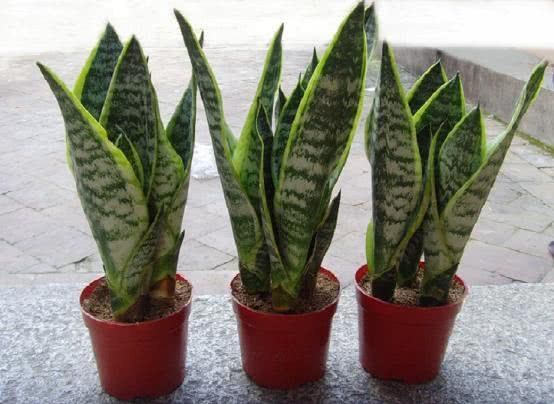
Snake plant, as a foliage plant we are all very familiar with, enjoys great popularity among gardening enthusiasts. Its year-round evergreen leaves, upright foliage, and easy care make it a must-have for many households, but during the growing process, some hobbyists, especially gardening beginners, often run into this situation - a snake plant that was once standing upright suddenly wilts, with leaves drooping all over the place, showing no sign of life at all. So what exactly causes this phenomenon? And how should it be solved? Let's take a look together below.
Overwatering Is a No-Go!
Many people may be too "overindulgent" when growing snake plants, always worrying that they lack water. So when watering, they tend to use too much and too often. But in reality, this is completely wrong. You should know that the snake plant's roots are very fragile and its water-absorbing ability is poor. If you water too frequently or encounter plum rain season weather in the south, it can easily lead to water accumulation in the pot. This causes the roots of the clivia to lack oxygen, ultimately making the leaves soft and wilted. As for the solution, it is quite simple - just follow the principle of "better dry than wet" when watering. Only water when the potting soil is dry, and water thoroughly when you do. Any accumulated water should be drained promptly.
Pay Attention to Growing Temperature
Normally, the temperature parameter in the snake plant's favorite growing environment should be kept between 15~30°C. Above this temperature, the temperature of the pot, soil, and plant will all rise at the same time. The clivia becomes heat-stressed, with leaves turning yellow and soft, losing its upright posture. And if the temperature drops below 5°C, it will cause frost damage, and the leaves will likewise wilt, go soft, or even die. The way to deal with this is simply to pay attention to temperature changes. Households in the north generally have heating in winter, making it relatively easy to maintain temperature - you only need to control the water amount. In the south, however, some equipment is needed to ensure temperature balance.
Be Careful of Scorching Sun!
It is true that snake plants like sunlight. During their growth process, they also need an environment with sufficient light, so generally we adopt a strategy of placing snake plants on the balcony for free-range growing. But this may change in summer. Because the afternoon sun in midsummer is especially strong, direct exposure on the leaves may cause sunburn to the snake plant's leaves, resulting in a collapsed and soft appearance, so the best approach is to take shade measures. Moving them indoors is a good choice.
All the above causes are actually due to environmental or human factors, but the last one is caused by disease. Soft snake plant leaves may be caused by bacterial soft rot. Generally, when the snake plant's leaves appear light yellow-green or gray-yellow, with water-soaked soft rot spots on the stem base near the ground, and break easily, it is very likely suffering from soft rot. So how should it be handled? First, if we find leaves that have already shown disease, we must dispose of them without hesitation. When the disease occurs, spray with 12% copper green 600 times dilution or 72% agricultural streptomycin 4000 times dilution. Spray once every 7~10 days, and 2~3 consecutive sprays will be enough to treat it.