Peace lilies are perfect for keeping a pot at home; they are simple and easy to care for and can also purify the air.
More and more people now like to bring plants into their homes; as long as they like the look of one, they want to take them all home. They also like to grow plants that can purify the air, especially gardening friends who have just finished renovating their homes, who will buy one or two pots of plants to put inside, mainly to absorb those harmful gases.
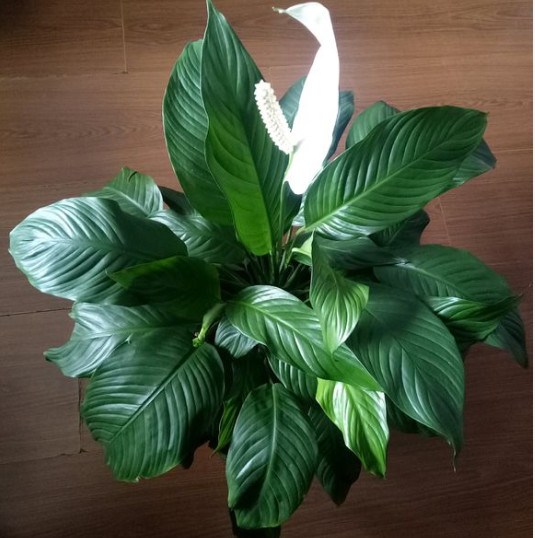
There are many, many plants like this, and today Huahua recommends the peace lily. It has glossy green leaves and white flowers, and both in appearance and effect it is among the very best. If you want to know how to grow it, hurry up and follow along with Huahua to take a look!
The peace lily's purifying effect is very strong; it can absorb harmful gases such as formaldehyde, and when we normally keep it at home, it can bring you a fresh feeling, and its decorative effect is also very good. On top of that, its flowering period is especially long, and it is also very easy to care for.
When we grow a peace lily, it is best to place it in the living room, or somewhere without direct light, otherwise under long-term sunlight its leaves will quickly wilt and lose their spirit. If the light intensity is reduced, then the amount of evaporation will naturally decrease as well, so it is enough to keep the soil slightly moist.
Although it likes a somewhat moist growing environment, as soon as there is too much water, root rot will occur. If we find root rot, we must deal with it promptly. First of all, we must stop watering, and then after two days proceed with removing it from the pot.
After we take the plant out of the pot, we must clean the original soil off the roots. If using tools, be careful not to damage the good roots, but just in case, we should still wear gloves when handling it.
Cleaning off the original soil serves two purposes: first, to be able to clearly observe the growth of the root system, and second, because the root rot has already caused a large amount of bacteria to build up in the soil. If this soil continues to be used, it will continue to infect the new roots.
At this point, use sterilized tools to remove the rotten roots, then place it in a shaded, ventilated spot and wait for the moisture to evaporate. To reduce the occurrence of this situation, we should choose new soil with good drainage and breathability, then first spread a layer of soil at the bottom of the flowerpot, to avoid letting the plant's roots directly touch the bottom of the pot, which also provides good protection.
Before potting, we can add a little water to the new soil to make it slightly moist; after we plant the peace lily in the pot, we do not need to water it. Remember not to press the soil too firmly, and leave the roots some room to breathe.
Finally, we should place it in a ventilated environment and let it slowly recover and grow. When we notice that the flowers it has bloomed are gradually turning yellow, remember to use scissors to cut them off from the base; this way it will not waste too many nutrients, and it also helps new flower stems grow later on.
By the way, peace lilies can also be grown hydroponically. We need to first clean off the original soil, then give it a simple trim, and then we can put it in a hydroponic bottle to grow. When growing it hydroponically in summer, pay attention to changing the water, especially when green moss appears in the bottle, be sure to clean it off promptly; only then can you ensure the roots will not have problems, and the leaves will grow healthier and healthier!