Causes of Yellow Leaves on Lucky Bamboo Grown in Water and How to Fix Them
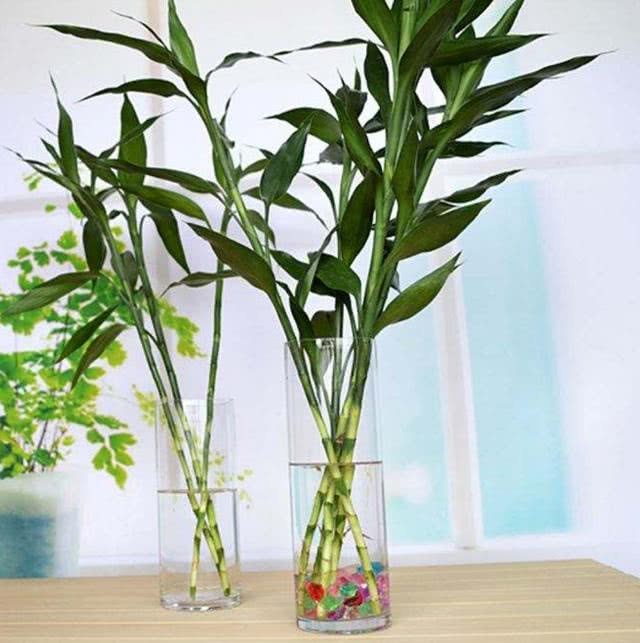
A few days ago, a gardening friend left a message saying that the lucky bamboo they bought in spring and have been growing in water for several months has started developing yellow leaves again! They asked what to do. Indeed, every spring, many households buy a few stalks of lucky bamboo to grow in water. It is clean, lush and green, and especially pleasing to the eye. But as you care for it, you will find that the lucky bamboo begins to show yellow leaves, root rot and various other problems. Especially in winter, after trying every possible method and still failing to control the yellowing, you have no choice but to throw it away and buy new ones the next spring, repeating this cycle over and over. There are roughly just a few reasons why lucky bamboo grown in water develops yellow leaves!
1. Water quality problems. Lucky bamboo grown in water is different from soil-grown plants - all the nutrients for its roots come from the water. Therefore, the quality of the water directly determines the growth condition of the lucky bamboo. For newly purchased lucky bamboo, since the roots are weak or have not yet grown, after placing it in water, to promote rapid rooting you can add a crushed vitamin B12 tablet to the water. To ensure water quality in the container, it is generally recommended to change the clean water every 3-4 days, and roots will appear in about 15 days. But after rooting, reduce the frequency of water changes; you can also change half the water every 10 days, and check the water quality often according to the season. Especially in summer, if the water becomes cloudy, change it promptly to prevent yellow leaves and root rot. To avoid cloudy water causing yellow leaves and root rot, you can add a small piece of charcoal to the water, which not only sterilizes and disinfects but also promotes rooting in lucky bamboo. For growing lucky bamboo in water at home, it is recommended to use cooled boiled water as the best choice.
2. Yellow leaves caused by lack of nutrients. Because the nutrients in water are limited, to ensure an adequate nutrient supply for the lucky bamboo, you can add a few drops of hydroponic nutrient solution to the water. You can also crush a vitamin C tablet and add it to 500 ml of water, then drip a few drops into the container, or add a small amount of leftover beer, which can effectively slow down yellowing and make the leaves glossy and emerald green. Many experienced gardening friends put a small goldfish in the container - the waste produced by the fish is absorbed by the lucky bamboo roots, and the oxygen produced by the lucky bamboo is used by the fish to breathe. It really is a great method!
3. Yellow leaves caused by strong direct sunlight or overly dry air. Lucky bamboo prefers a shaded environment. Strong direct sunlight will quickly cause yellow leaves or even kill the lucky bamboo, and overly dry air will also prevent the moisture-loving lucky bamboo from getting enough humidity, causing dry tips or yellow leaves. Lucky bamboo should be placed in a living room or near a windowsill with scattered light, away from air conditioning vents or areas with strong radiation, and the leaves should be misted frequently to maintain moisture.
4. Iron-deficiency yellow leaves. There is another very important cause of yellow leaves in lucky bamboo: a lack of iron in the water. You can drip in a few drops of a 1:2000 ferrous sulfate solution, or put a rusty iron nail in the container (it must be rusty, otherwise it will not only fail to supplement iron but also contaminate the water).
5. Cold damage in winter. This is also the main reason why many gardening friends' lucky bamboo does not survive to spring after going through winter. Lucky bamboo is sensitive to cold, especially when grown in water. In winter, if the indoor temperature drops below 10°C, the leaves will turn yellow or the roots will rot. So experienced gardening friends, whenever the low-temperature period comes in winter, promptly move the lucky bamboo to a warm room, or switch from water culture to soil culture, or wrap the container with a layer of insulation cotton, and place the lucky bamboo by a sunny window so it receives a few hours of light each day to prevent cold damage.